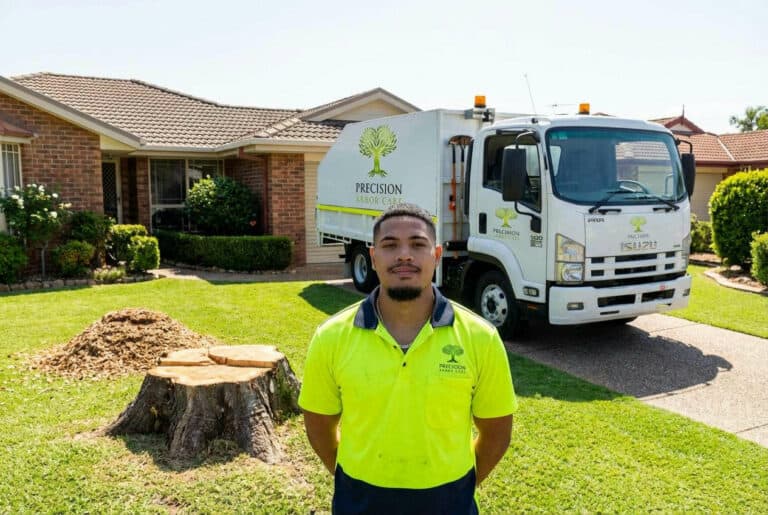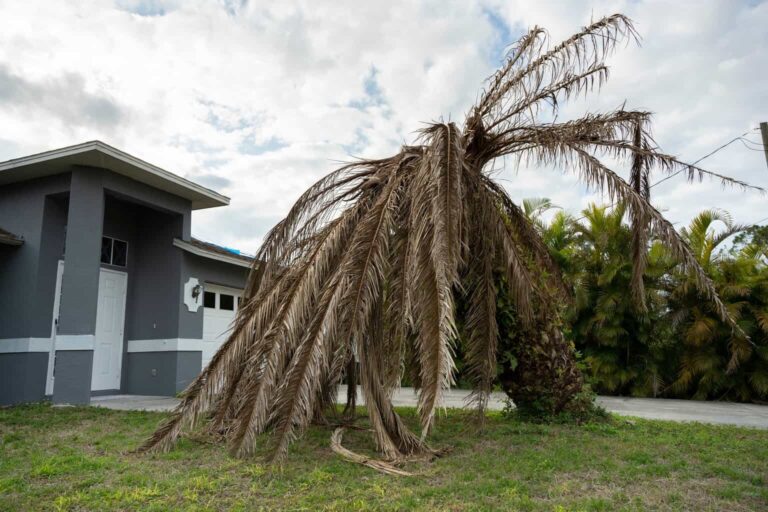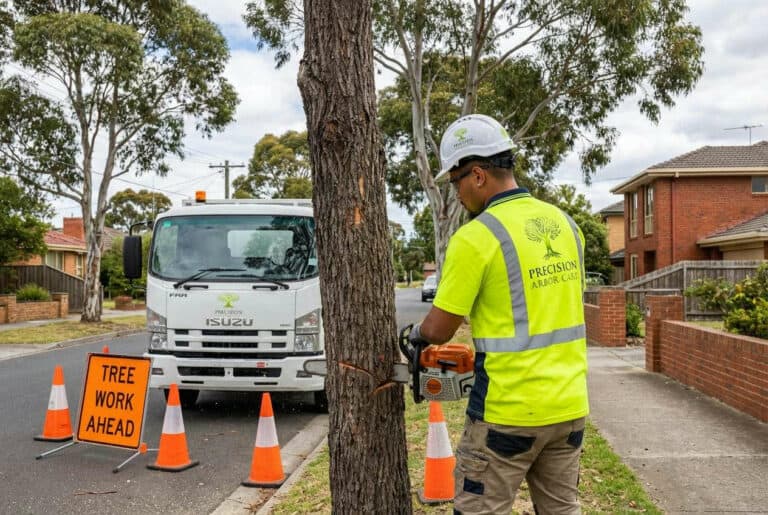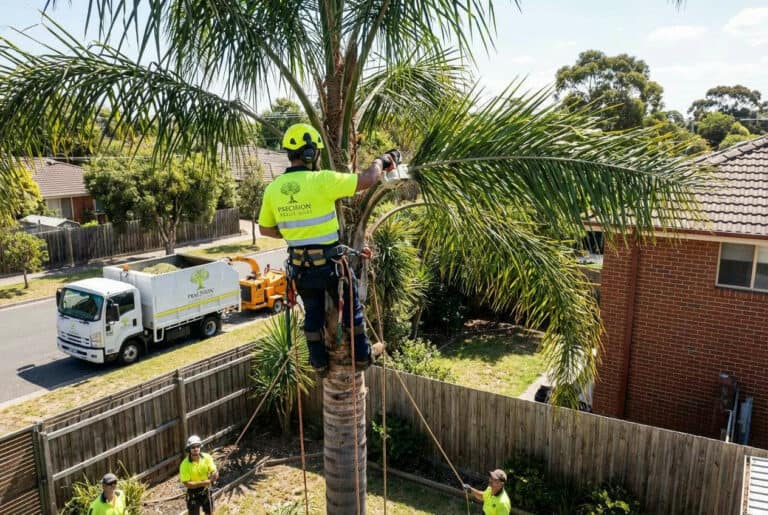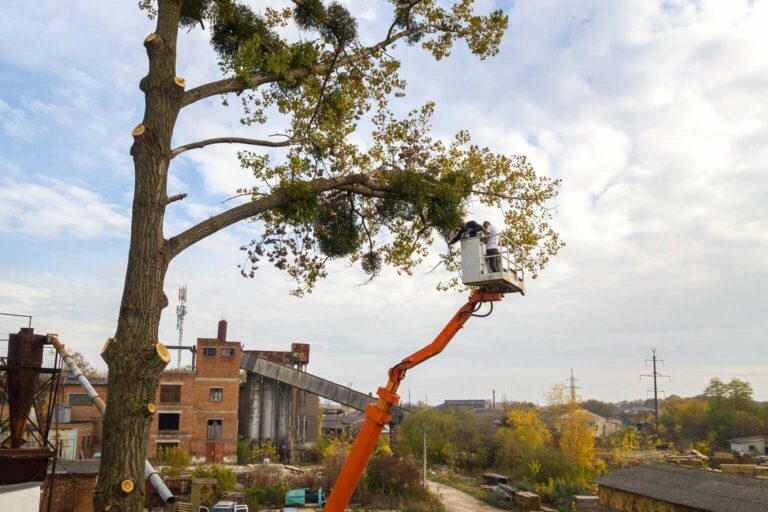
Based on hundreds of removal jobs across Greater Melbourne, here are the seven trees we get called to remove most often — and the reason each one ends up causing problems.
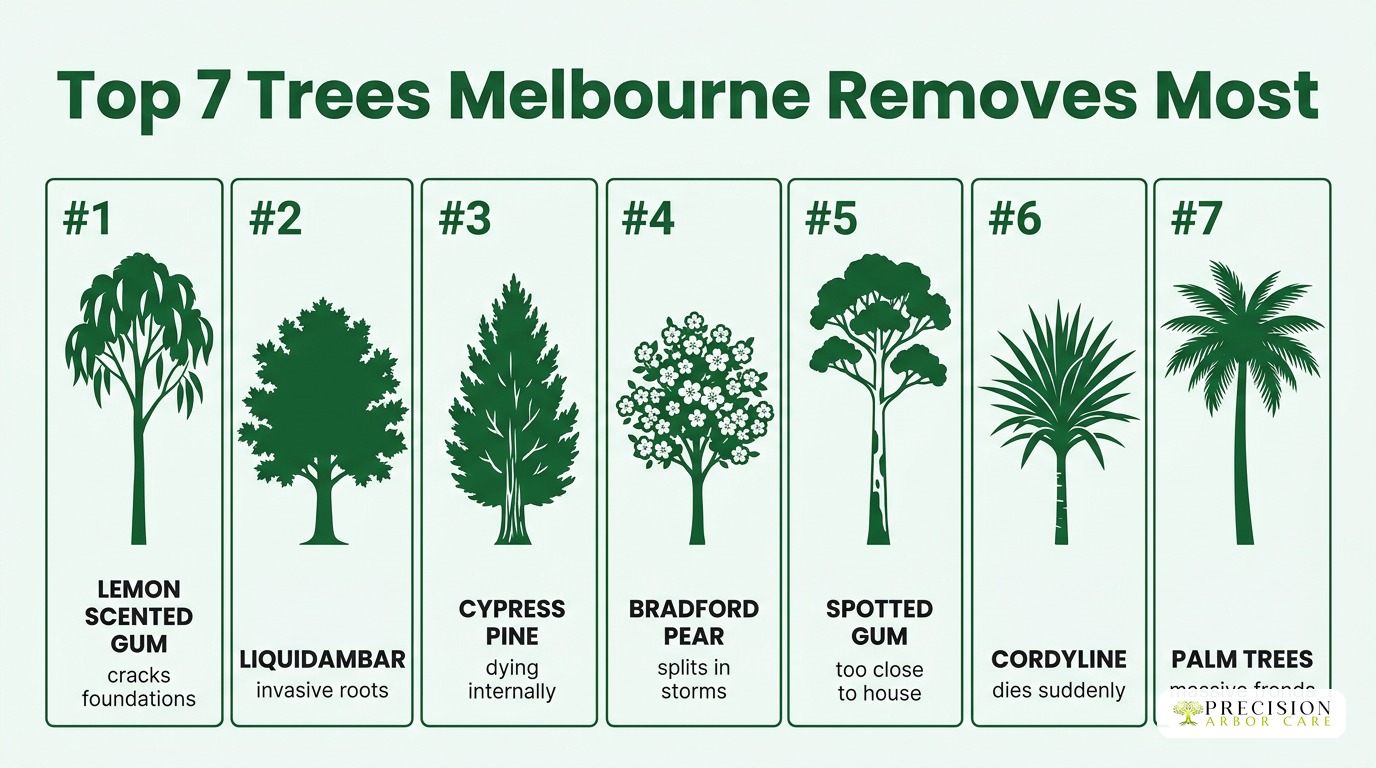
1. Lemon Scented Gum (Corymbia citriodora)
Beautiful tree, terrible neighbour. Grows fast to 30m+, drops massive branches without warning, and the surface roots are able to crack paving and lift foundations within 5 metres. Originally planted as garden specimens in the 70s and 80s, most are now too big for the spots they’re in. Removal cost: $3,000-$6,000 typically.
2. Liquidambar (Liquidambar styraciflua)
Suburban classic for autumn colour, but the spiky seed pods are a major nuisance and the root system aggressively invades drains, pipes, and sewer connections. We see Liquidambar removals weekly — usually after homeowners discover the root damage to their plumbing.
3. Cypress Pine (Hesperocyparis macrocarpa)
The dark green hedging Cypress everyone planted in the 90s. Lives ~40 years, then starts dropping limbs and dying from the inside out. Most established Melbourne suburbs are now in the "Cypress death wave" — these were all planted around the same time and they’re all dying at once.
4. Bradford Pear (Pyrus calleryana)
Street-tree-class issues: weak limb attachments mean they split in storms, and the fruit is messy. Many Melbourne councils now refuse to plant new Bradford Pears for these reasons. Existing residential ones come down at the first major storm split.
5. Spotted Gum (Corymbia maculata)
Stunning tree but routinely planted way too close to houses. By 20 years old it’s 15m+ and dropping branches over the roof. Usually removed for safety reasons rather than aesthetics. Removal cost reflects the size: $2,500-$5,500.
6. Cordyline (Cordyline australis)
Tiny when planted, lives 10-15 years, then dies suddenly and falls over. We get more dead Cordyline removals than almost any other species. Mercifully cheap — $250-$400 each.
7. Palm Trees (various species)
Date Palm, Cocos Palm, Phoenix Palm — all planted as exotic features in the 80s and 90s, all now massive and most of them dropping huge fronds into pools and over fences. Palm tree removal is specialist work; see our palm removal service page.
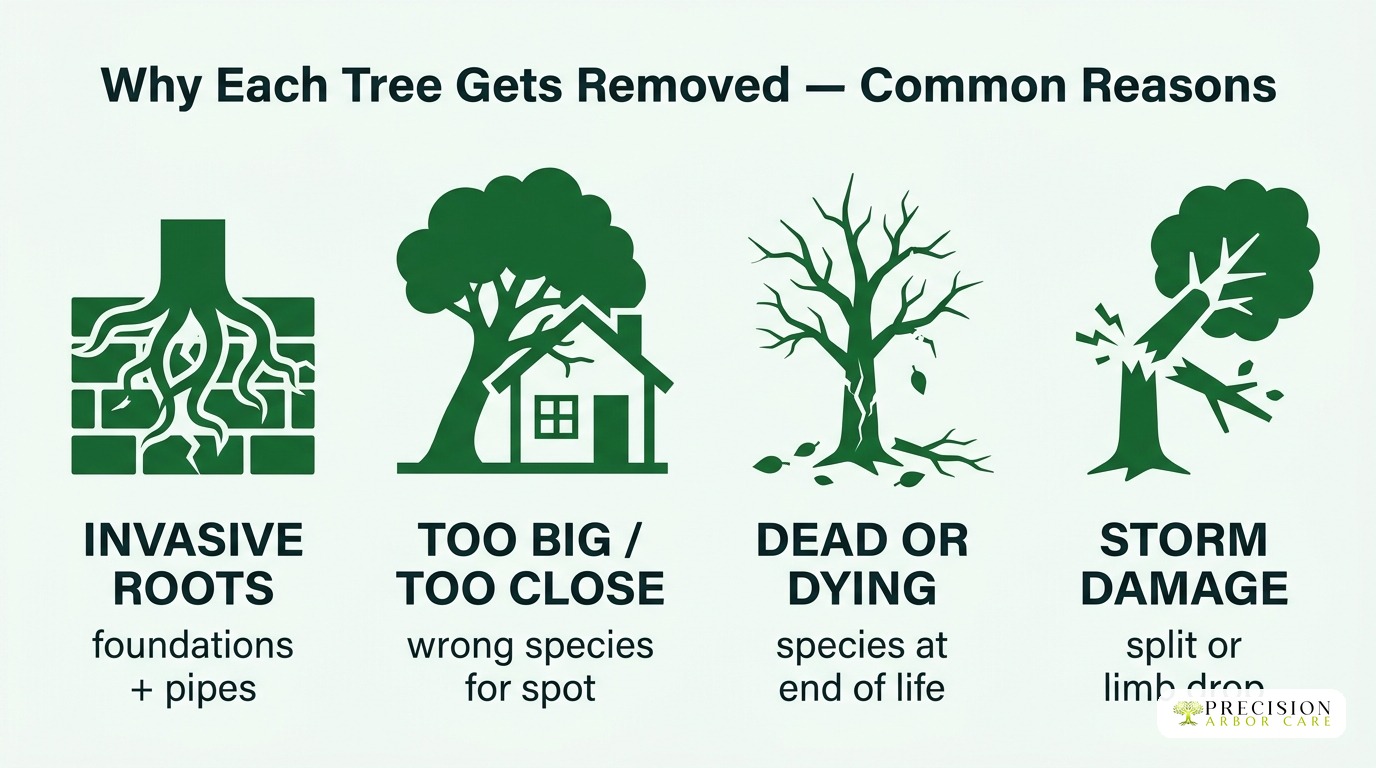
The Pattern
Most of these trees ended up being removed because they were planted in the wrong spot for the wrong reason — visual appeal at planting time without thinking about the size 20 years later. If you’re planting a new tree to replace one we’ve removed, the same trap applies: think about the tree’s mature size, not the cute juvenile in the nursery pot.
The 80s/90s Planting Boom That’s Coming Home
Most of the trees we remove in 2026 were planted between 1980 and 1995. That’s when Melbourne homeowners were encouraged to plant exotic ornamentals for "instant landscape impact." Three decades later, those trees are now mature — and mature is a problem for species that were designed for cooler climates, deeper soil, and bigger lots than suburban Melbourne actually has [1].
The pattern is so consistent we can predict which suburbs we’ll be busy in by suburb age: 1970s-80s estates (Reservoir, Bayswater, Mooroolbark, Frankston North) are peak removal territory now. 1990s estates (Caroline Springs, Point Cook, Mernda) will be peak removal in 2035-2045.
Why Some Species Specifically Fail in Melbourne
Each of the top 7 has a different failure mode tied to Melbourne’s specific conditions:
- Lemon Scented Gum: foundation cracking
- Liquidambar: drain invasion
- Cypress Pine: ~40yr lifespan ending
- Bradford Pear: storm splits at crown
- Spotted Gum: oversize for plot
- Cordyline: natural die-off at 10-15yr
- Palms: massive frond drop
- Reactive clay soil + dry summers
- Old terracotta drain stock + shallow roots
- Mass planting cohort hitting end-of-life
- Weak limb attachments + summer storms
- Smaller residential lots than design intent
- Subtropical native struggling in southern climate
- Imported species reaching mature size in 30yr
Better Alternatives for Each of the Top 7
If you’re removing one of the top 7 and want to replant, here’s what we recommend from species that actually thrive in Melbourne:
Three species we particularly recommend for compact urban lots: Crepe Myrtle (Lagerstroemia) for autumn colour without aggressive roots, Lilly Pilly (Syzygium) as a screening tree to 6-8m, and Smooth-Barked Apple (Angophora costata) for native canopy without the height of a Eucalypt [2].
Removal Cost by Species (Real Data From Our Jobs)
From the last 12 months of jobs, here’s the actual average removal cost by species. Useful for budgeting if you know what tree you have:
- Cordyline: $250-$400 (avg $320)
- Bradford Pear: $1,400-$2,200 (avg $1,750)
- Cypress Pine: $1,200-$2,000 (avg $1,580)
- Small Palms: $400-$800 (avg $550)
- Liquidambar: $1,800-$3,200 (avg $2,400)
- Spotted Gum: $2,200-$5,500 (avg $3,400)
- Lemon Scented Gum: $3,000-$6,500 (avg $4,200)
- Mature Date Palms: $1,800-$4,000 (avg $2,600)
Council Protection Status for Each Species
Across the 31 Melbourne metro councils, here’s the protection status pattern for each of the top 7:
- Lemon Scented Gum: Protected in ~40% of councils (typically over 60-80cm trunk diameter).
- Liquidambar: Protected in ~25% of councils.
- Cypress Pine: Rarely protected.
- Bradford Pear: Rarely protected, increasingly council-discouraged.
- Spotted Gum: Protected in ~60% of councils. Native species protection.
- Cordyline: Rarely protected.
- Palms: Rarely protected (mostly considered non-indigenous).
If your tree is protected, the removal application typically requires an arborist report ($200-$500) plus council fees ($80-$300). We handle the whole thing as part of the quote [3].
Replacement advice
We give free replacement species advice on every removal job. Tell Rob what you want the new tree to do (shade, screening, autumn colour, productivity) and the spot it’s going in, and we’ll suggest 3-4 species that’ll actually thrive in your soil and microclimate.
“We thought we needed a Lemon Scented Gum ‘replaced like for like’. Rob suggested a Crepe Myrtle instead, and three years later it’s the best tree in the street. Saved us from making the same mistake.”
“Mature Spotted Gum removal needed a permit. Rob handled the whole council application — it took 5 weeks but we paid one fee and didn’t have to think about it. Job was clean.”
Keep reading
More tree removal guides
For pricing on any of these species, see our tree removal cost guide. For Eucalypt-specific removal, see the Eucalypt removal page.
Related reading
- Our Tree Removal Melbourne page — full service overview.
- Eucalypt Tree Removal Melbourne — goes deep on the specific topic.
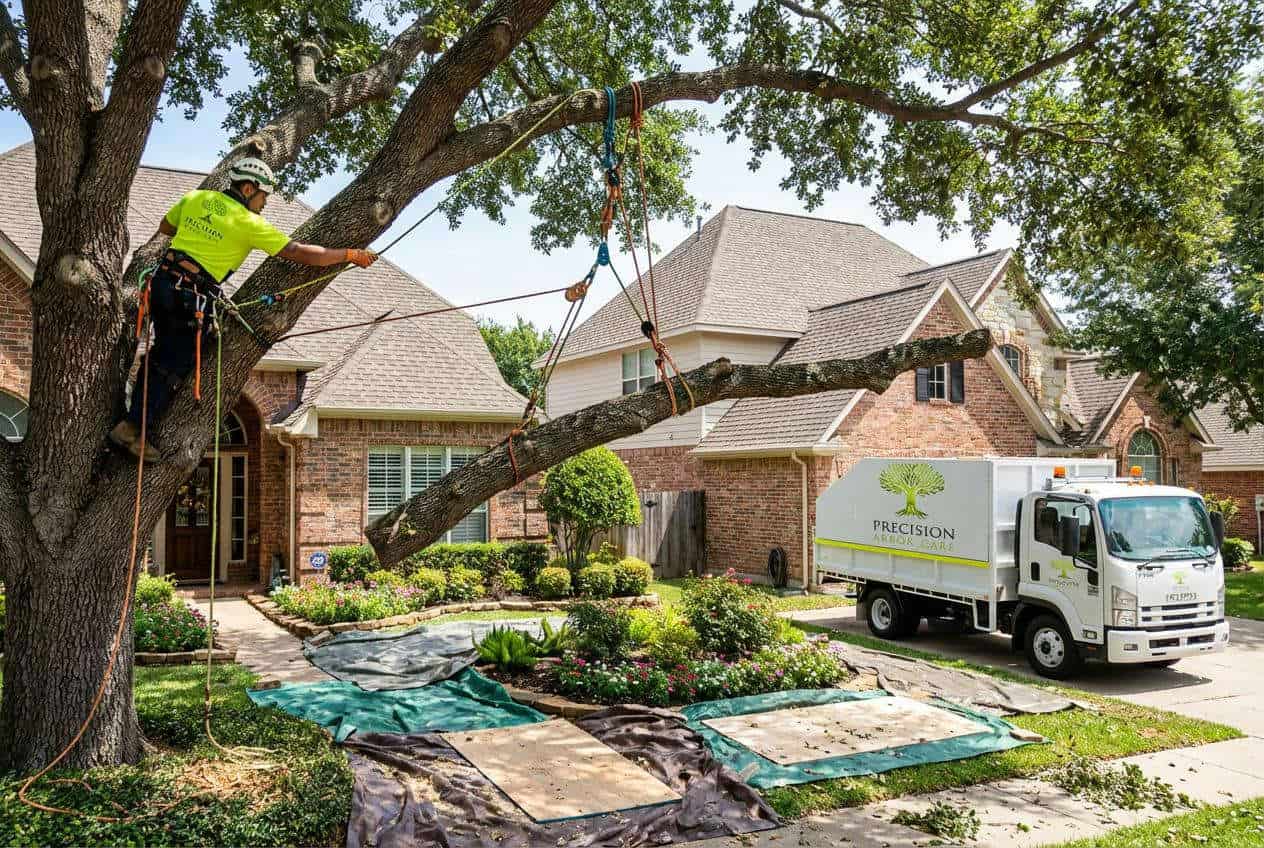
Related service
Tree & Palm Removal in Melbourne
When a tree genuinely needs to come down, we handle it cleanly — safety-first, full insurance, fixed price agreed before any chainsaw starts.
Frequently Asked Questions
Which tree do you remove most often in Melbourne?
Why is Liquidambar so problematic?
Why are Cypress Pines dying everywhere?
Are Spotted Gums bad trees?
Why do Cordylines die suddenly?
Ready when you are
Get a free, fixed tree removal quote — usually the same day
Rob calls back personally — usually the same day. We talk through the tree, book an on-site visit within 24-48 hours if it needs one, and give you a written, fixed-price quote with everything itemised. No surprises at the end.
Written by
Rob Tufuga
Founder & Lead Arborist, Precision Arbor Care
Rob has been climbing, cutting and shaping trees across Melbourne for more than 15 years. He started Precision Arbor Care to do tree work the way he always wished he could when he worked for bigger crews — one job at a time, no upselling, and an honest number on the quote.