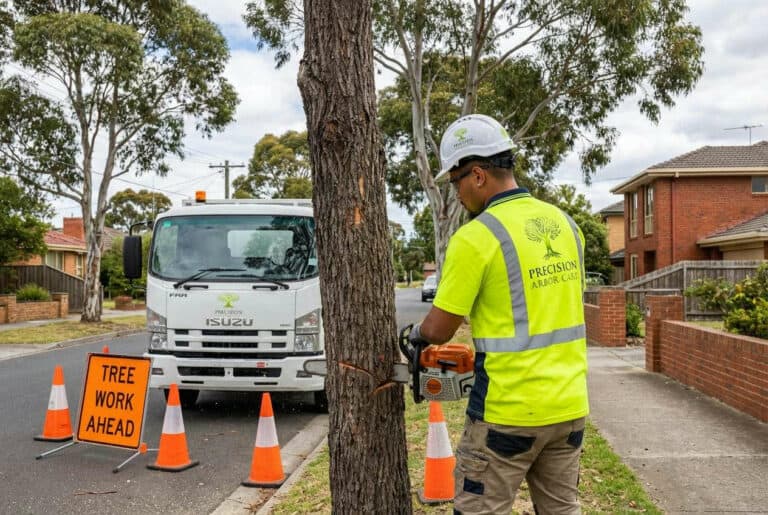
Tree just come down? The empty space is an opportunity — but only if you handle the next steps right. Here’s what most Melbourne homeowners do (and miss) after a removal.
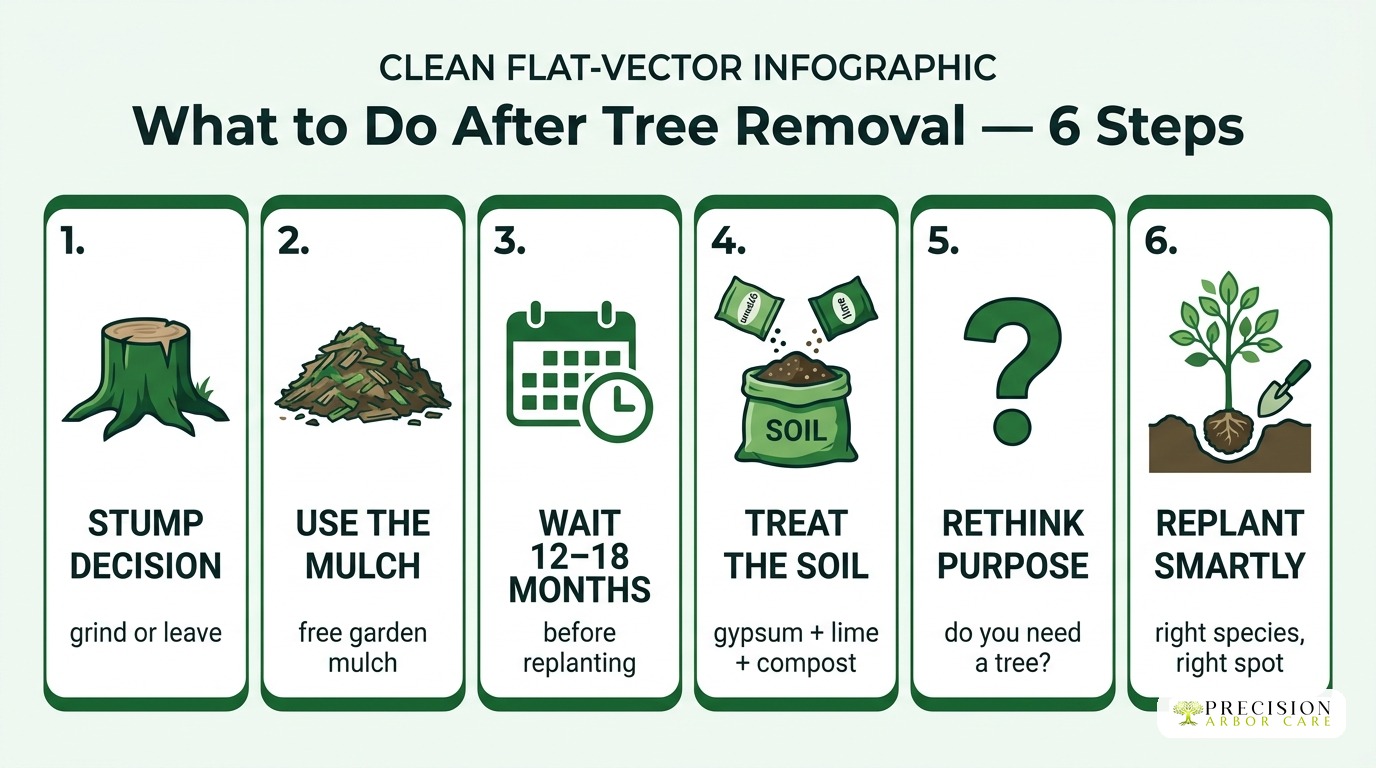
1. Decide on the Stump
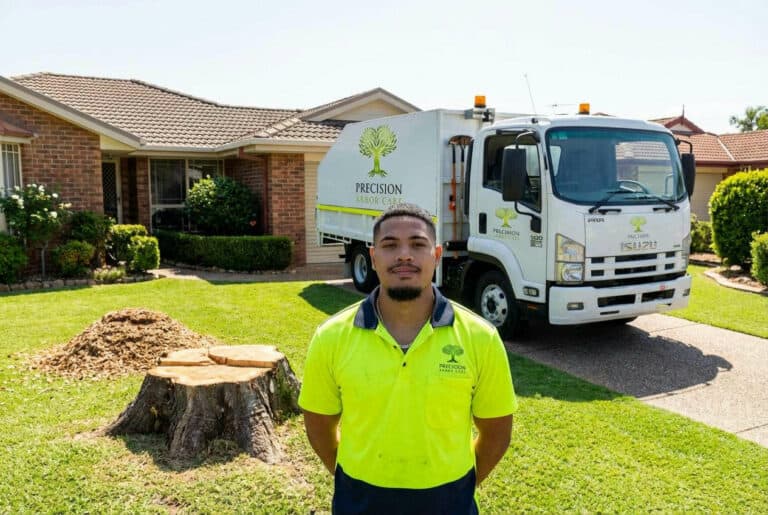
If we ground the stump out during the job, the chips fill the cavity and the area is ready for soil. If we left the stump, it’ll naturally decay over 5-10 years — but it’ll also keep sending up shoots in the meantime if it’s a stump-coppicing species like Plane Tree or some Eucalypts. Decide now: grind it ($150-$600 added to the bill) or live with shoots for a year or two.
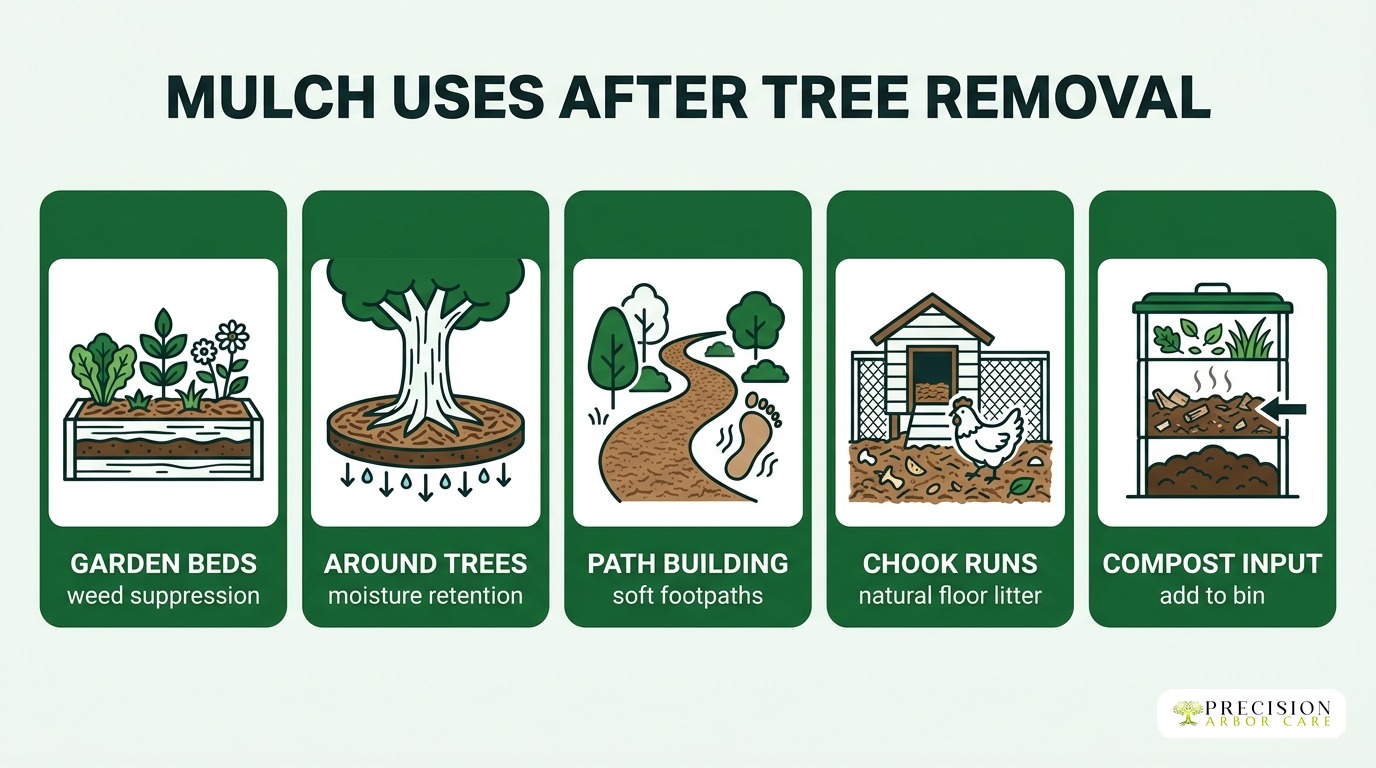
2. Use the Mulch — Don’t Truck It Out
A chipped 10m tree produces about 2-3m³ of mulch. We can leave it in a pile on your driveway for free (saves you the $200-$400 disposal fee and gives you garden mulch for the next year). Spread it 5-8cm thick around existing garden beds — it suppresses weeds, holds moisture, and slowly feeds the soil as it breaks down.
3. Wait Before Replanting
The root mass below the stump (even after grinding) takes 12-18 months to fully decompose. Planting another tree directly in the same spot during that window often fails because of nitrogen drawdown as the old roots decay. Wait a year, or plant something annual / short-lived in the gap first.
4. Treat the Soil
Where a large tree stood, the soil is often compacted from years of root competition and may be acidic if the tree was a Eucalypt. Add gypsum to break up clay compaction, add lime to neutralise pH, and turn through some compost. Cheap, makes a big difference for whatever you plant next.
5. Consider What the Tree Was Doing for You
Before you replace it like-for-like, think about what the tree was actually doing: shade, screening, privacy, or just "tree." Maybe a hedge solves the screening problem better. Maybe a shade sail is cheaper and quicker than waiting 8 years for a new tree to mature. Maybe a row of three smaller trees works better than one big one.
6. Replace If You Can
Melbourne canopy cover is declining year on year. If you do replant, pick a species suited to the spot — not the same species that grew too big the first time. Council websites usually have lists of recommended species by region. Native indigenous species generally win on water use, biodiversity, and bushfire resilience.
Replanting Timeline by Tree Species
The right time to replant depends heavily on what was removed and what you’re replacing it with. From our 12 months of post-removal follow-ups across Melbourne:
- After Cordyline removal (shallow root mass)
- After Cypress removal (decayed within 2-3 yr)
- After fruit tree removal (short residual mass)
- After small ornamental removal (under 5m)
- After hedge removal (continuous shallow root)
- After mature Eucalypt removal
- After Liquidambar removal
- After Plane Tree removal
- After Lemon Scented Gum removal
- After any 20+ year tree
The reason for the wait: nitrogen drawdown during root decay. The microbes breaking down old roots consume soil nitrogen as part of the process, leaving little for new plants. Plant too early and the new tree struggles or fails in the first year [1].
Soil Rehabilitation: What Works, What’s Snake Oil
The garden centre will sell you various "tree removal recovery" products. Some help, most don’t. Here’s what we’ve actually seen work:
- Gypsum (40-60kg / m²). Works for clay compaction. Cheap. Breaks up compacted Melbourne clay over 3-6 months. Worth it [2].
- Lime (4-6kg / m²). Works to neutralise pH after Eucalypt removal. Cheap. One application is usually enough.
- Compost / well-rotted manure. Always works. Build it into the planting area generously. The single best thing you can do for soil recovery.
- "Tree removal recovery formulas" with mycorrhizal additives. Mixed results. Sometimes helpful for specific replanting species, often no different from compost alone. Not worth the premium for most cases.
- Liquid kelp / fish emulsion. Useful for new plantings (gentle nitrogen) but doesn’t help recover bare soil from a removal.
Using Stump Grindings vs Sending to Landfill
If you ground the stump, you’ll have 100-300L of fine woody grindings mixed with soil. Three things to do with them:
Lawn Restoration After a Removal
If the work involved chipper-truck traffic on the lawn, expect 4-8 weeks of patchy recovery. Three steps that speed it up:
- Aerate within a week. A garden fork pushed in every 15cm to a 10cm depth breaks compaction. Takes 20 minutes for a typical residential lawn.
- Top-dress lightly. A 5mm layer of sandy loam over the affected area, raked in. Holds moisture and gives runners a smoother surface to repopulate.
- Water more than usual for 2 weeks. Compacted soil dries out faster on top. A daily light water for the first fortnight after the job pulls the lawn back.
When to Replant — And When to Leave the Space Open
Not every removal needs a replacement. Three scenarios where leaving the space open is the right call:
- Removal was driven by structure interference. If the tree was too close to a foundation, another tree in the same spot has the same problem in 20 years.
- You’re selling the property soon. Buyers value a mature tree more than a sapling. If a sale is within 5 years, the new owner can decide.
- The site is too shaded for replanting. Some sites are now in dappled shade from surrounding canopy. A new young tree may not thrive [3].
Free post-removal soil consultation
We’ll do a free walk-through of the removal area on our final visit and give you a soil-rehabilitation plan tailored to what was removed and what you want to plant. Ask Rob on the day — we don’t charge extra for the advice.
“Rob’s tip about waiting 18 months before replanting saved us from a $400 mistake. Our friend tried to plant straight away in a similar spot and their tree died within a year.”
“Used the chipped mulch they left for all our garden beds for 6 months. Saved heaps on landscaping supplies and the garden has never looked better.”
Keep reading
More tree removal guides
Want to talk through replanting options? Rob’s happy to chat — see the contact page. For other tree services, see tree pruning or hedge trimming.
Related reading
- Our Tree Removal Melbourne page — full service overview.
- Tree Removal Cost Melbourne — goes deep on the specific topic.
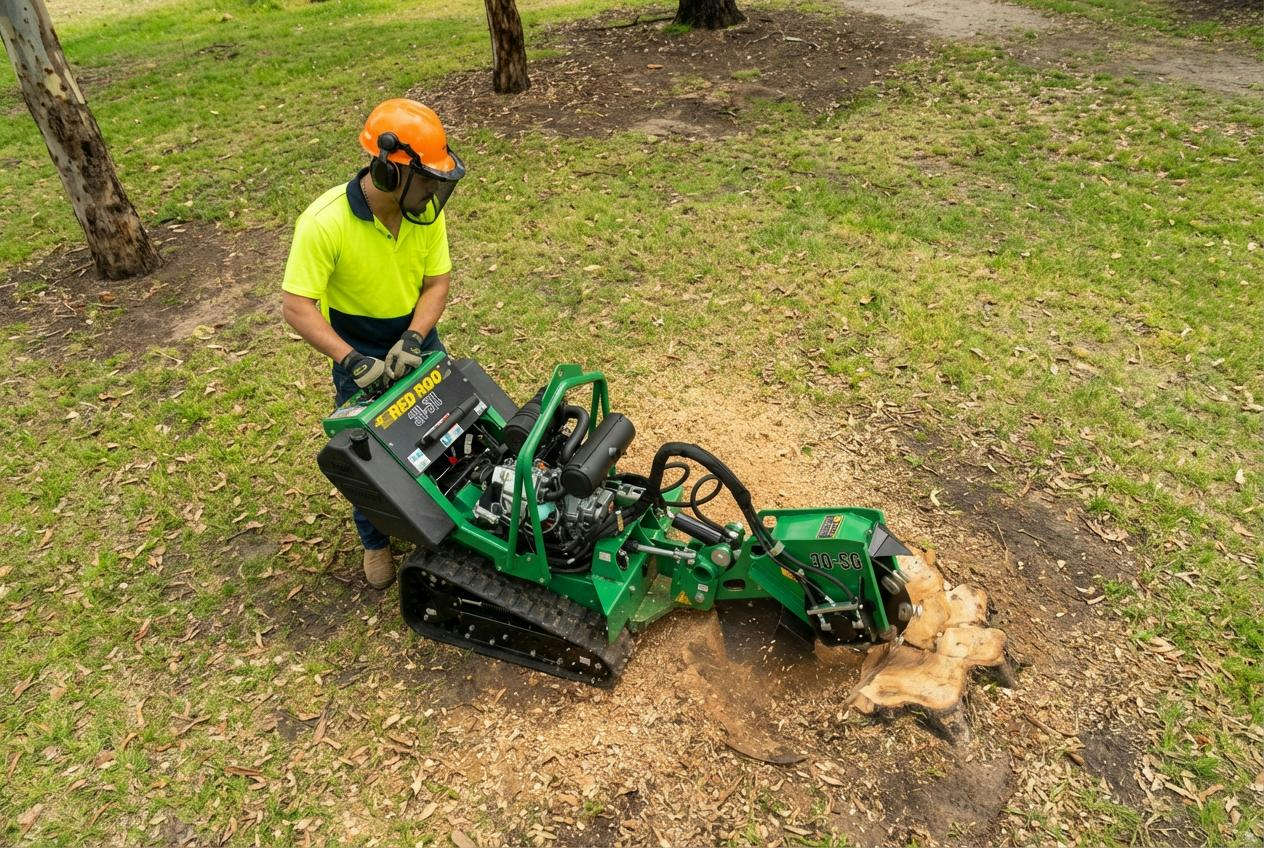
Related service
Stump Grinding in Melbourne
Most tree removals leave a stump. We grind it on the same visit so there’s no second call-out and no trip hazard. Adds $150-$600 depending on stump diameter and root spread.
Frequently Asked Questions
Should I grind the stump or leave it?
How long before I can plant a new tree in the same spot?
Can I keep the mulch for my garden?
Why does my soil look bad where the tree was?
Should I plant the same species back?
Sources
Ready when you are
Get a free, fixed tree removal quote — usually the same day
Rob calls back personally — usually the same day. We talk through the tree, book an on-site visit within 24-48 hours if it needs one, and give you a written, fixed-price quote with everything itemised. No surprises at the end.

Written by
Rob Tufuga
Founder & Lead Arborist, Precision Arbor Care
Rob has been climbing, cutting and shaping trees across Melbourne for more than 15 years. He started Precision Arbor Care to do tree work the way he always wished he could when he worked for bigger crews — one job at a time, no upselling, and an honest number on the quote.