After a tree comes down, you are left with a stump. It might not seem like a big deal at first, but stumps cause problems over time — they attract termites, create trip hazards, look unsightly, and get in the way of landscaping. The question is: do you grind it or pull it out? Here is a clear comparison to help you decide.
What Is Stump Grinding?
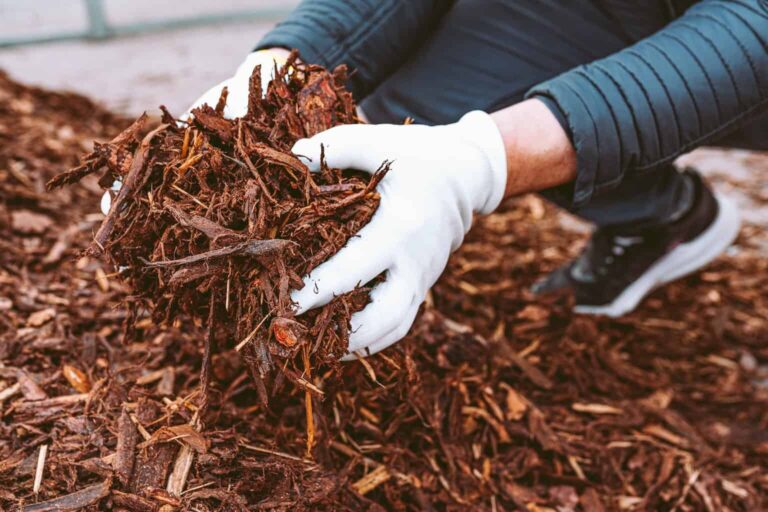
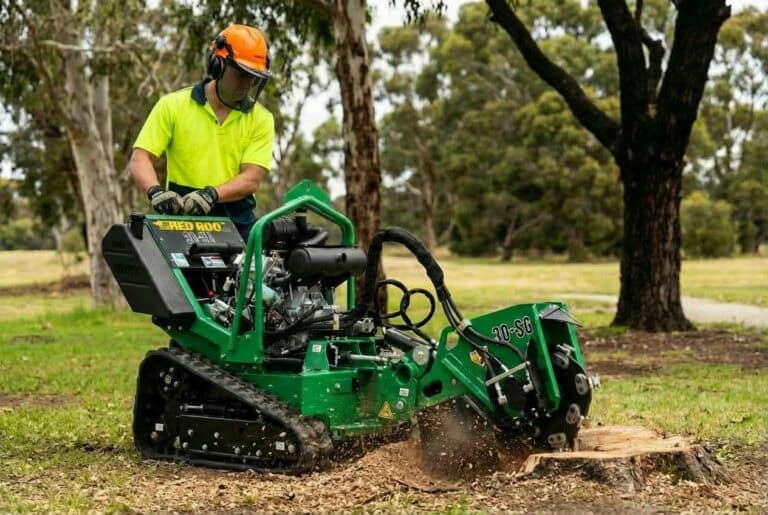
Stump grinding uses a machine with a spinning carbide-tipped wheel to chip the stump into small pieces. The machine grinds the stump down to 150-300mm below ground level. The result is a hole filled with wood chips and mulch where the stump used to be.
How It Works
1. The tree is removed, leaving a stump at or near ground level. 2. A stump grinder is positioned over the stump. 3. The machine grinds back and forth, chewing through the stump and the top layer of major roots. 4. The grinding produces a pile of wood chips and soil mix. 5. The chips are used to backfill the hole, or removed from site.
What Happens to the Roots?
This is the key thing to understand about stump grinding: the roots stay in the ground. The grinder removes the visible stump and the top portion of the root ball, but the lateral roots that spread out underground remain in place.
Over time, these roots decompose naturally. Depending on the tree species, full root decomposition takes anywhere from 3 to 10 years. During that time, the roots break down, the soil settles, and you may notice slight dips in the ground around where the stump was.
Some tree species, like certain figs and willows, can reshoot from leftover roots. If this is a concern, the arborist can apply a herbicide to the stump grindings to prevent regrowth.
What Is Stump Removal?
Stump removal means extracting the entire stump and its major root system from the ground. This is a more invasive process that involves digging, cutting roots, and pulling the stump out with heavy equipment.
How It Works
1. The area around the stump is excavated to expose the root system. 2. Major roots are cut with a chainsaw, axe, or root cutter. 3. The stump is levered or winched out of the ground. 4. For large stumps, an excavator may be used. 5. The hole is backfilled with clean soil and compacted.
What Happens to the Roots?
Full stump removal takes out the stump and the major structural roots. Smaller feeder roots will still remain in the soil, but the bulk of the root mass is gone. This means no regrowth and faster settling.
The trade-off is a much larger hole. Depending on the tree, the hole left behind can be 1-2 metres wide and up to a metre deep. It needs to be filled with quality soil and compacted properly, or it will sink over the following months.
Comparing the Two Methods
| Factor | Stump Grinding | Stump Removal | |—|—|—| | Cost | $150 — $500 | $500 — $2,000+ | | Time on site | 30 minutes to 2 hours | 2 hours to a full day | | Hole size | Small, shallow | Large, deep | | Roots left behind | Yes, most roots remain | Major roots removed | | Regrowth risk | Low to moderate (depends on species) | Very low | | Site disturbance | Minimal | Significant | | Ready to replant | May need soil added | Yes, once backfilled | | Best for | Most residential situations | Building, paving, replanting in exact spot |
When to Choose Stump Grinding
Stump grinding is the right choice for most residential properties in Melbourne. It is faster, cheaper, and causes far less disruption to your yard.
Choose stump grinding when:
- You want the stump gone but are not building anything over the spot
- You plan to lay lawn, garden beds, or mulch over the area
- The stump is near fences, paths, or garden beds and you want minimal disruption
- You are having a tree removed and want the stump dealt with on the same day
- Budget is a consideration
Precision Arbor Care carries out stump grinding across Greater Melbourne as a standalone service or paired with tree removal. Most residential stumps take under an hour to grind.
When to Choose Stump Removal
Full stump removal is less common in residential settings, but there are situations where it makes sense.
Choose stump removal when:
- You are building a structure over the stump location (house extension, shed, retaining wall)
- You are laying concrete or paving and need the root mass gone to prevent future cracking
- The tree species is known for aggressive root regrowth and you want to eliminate that risk
- You are excavating the area anyway for other construction work and can remove the stump at the same time
If you are building on the site, your builder or engineer may require full stump and root removal. In this case, the extra cost is justified.
Stump Grinding Cost in Melbourne
Stump grinding costs in Melbourne typically range from $150 to $500 per stump, depending on:
- Stump diameter — A 300mm stump costs less than a 1,000mm stump
- Root flare — Some stumps have large surface roots that increase the grinding area
- Access — If the stump is in a tight spot where a full-size grinder cannot reach, a smaller machine is used, which takes longer
- Number of stumps — Multiple stumps on the same property are usually discounted per stump
When stump grinding is booked at the same time as tree removal, the cost is often lower because the crew and equipment are already on site.
What Does the Site Look Like Afterwards?
After Stump Grinding
You are left with a shallow depression filled with a mix of wood chips and soil. The area is level or slightly below grade. Most homeowners top it up with soil and lay turf, plant a garden, or spread mulch over the spot. Within a few weeks, the area blends into the rest of the yard.
After Stump Removal
You are left with a larger, deeper hole that needs to be backfilled with clean fill and topsoil. Once backfilled and compacted, the site is ready for whatever comes next — concrete, paving, building, or replanting. Expect some settling over the first few months, and plan to top up the soil once it settles.
A Note on Leaving the Stump
Some homeowners choose to leave the stump in the ground. This is fine in some situations, but be aware of the risks:
- Termites — Decaying stumps are a food source for termites. In Melbourne, subterranean termites are common and a stump near your house can attract them.
- Trip hazard — Stumps at or just below ground level are easy to trip over, especially for children.
- Regrowth — Some species will resprout from the stump, creating a thicket of new growth that is harder to deal with later.
- Appearance — A stump in the middle of a lawn or garden bed looks unfinished.
If you decide to leave it, at least have it cut as low to the ground as possible and monitor it for termite activity.
Talk to Rob About Your Stump
Not sure whether you need grinding or full removal? Call Rob at Precision Arbor Care on 0413 606 544 for straightforward advice. We will look at the stump, explain your options, and give you a clear price. We service all Greater Melbourne suburbs.