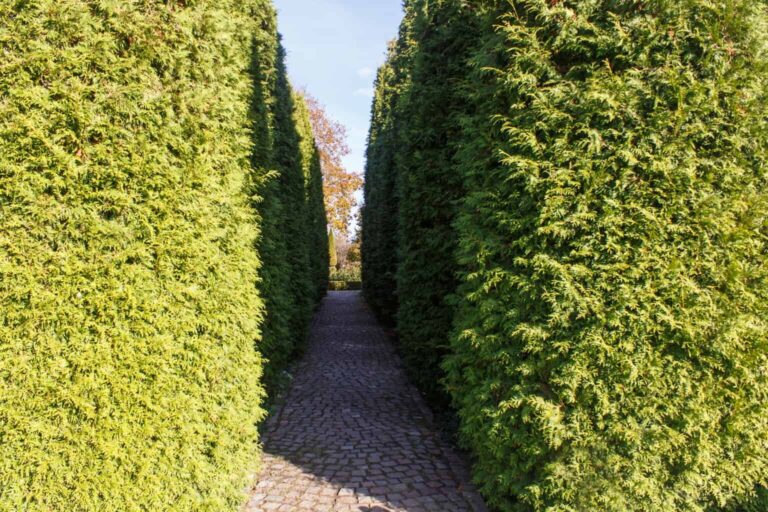
The best time to trim most hedges in Melbourne is spring (September to November) and late summer (February to March). The cool-but-not-cold weather and active growth make it the ideal window for clean cuts, fast recovery, and a tidy finish that lasts. This guide covers timing for common Melbourne hedge types and the mistakes to avoid.
Why Timing Matters
Hedges respond to trimming differently depending on the time of year. Cut at the wrong time and the hedge can:
- Struggle to heal the cuts, letting in pests or disease
- Suffer frost damage on exposed new growth
- Miss its flowering season
- Grow back leggy and uneven
- Die back in patches that never recover
Cutting at the right time gives you faster regrowth, denser foliage, and a cleaner line.
Spring — The Main Trim
Spring is the most important trim of the year for most Melbourne hedges. By September and October, the worst of winter is over and the hedge is putting on its first burst of growth.
Trim in spring when:
- The new growth has pushed out 10-20cm beyond the hedge line
- Night temperatures are consistently above 5 degrees
- There is no frost forecast in the next week
A spring trim sets the shape for the rest of the year. Cut back to just behind the new growth so the fresh leaves cover any cut stubs.
Avoid: Trimming flowering hedges (like Photinia Red Robin or Viburnum) before they flower. Wait until after flowering to avoid removing the buds.
Summer — The Tidy-Up
Fast-growing hedges need a summer trim to stay in shape. By January and February, Photinia, Viburnum, and Leighton Green conifers can be pushing out another 30cm or more.
Trim in summer when:
- The hedge has noticeably grown since the spring trim
- You are trimming in the cool of early morning or late afternoon
- The weather is not extreme (no trimming on 35°C+ days)
Avoid: Heavy pruning in midsummer heat. Light shaping only. A major cut back in 35°C sun will stress the plant and can cause sunburn on newly exposed stems.
Autumn — The Final Shape
A late autumn trim (March to early May) is the last chance to set the hedge up for winter. This is a shaping cut — removing long, straggly growth and tidying the sides and top before cold weather slows everything down.
Trim in autumn when:
- Growth has slowed but not stopped
- You are done at least 4-6 weeks before the first expected frost
- The hedge looks shaggy heading into winter
Avoid: Trimming too late in autumn. If you cut a hedge in June and a frost hits the new wounds, the exposed growth can die back.
Winter — Usually Not the Time
Most Melbourne hedges should not be trimmed in winter. The plant is dormant or barely growing, so cuts do not heal quickly. Frost can damage fresh cuts.
There are two exceptions:
- Deciduous hedges like Hornbeam or deciduous Viburnum can be shaped in late winter while dormant. Cuts will callus over before spring growth starts.
- Emergency trimming — if a branch is damaged or blocking access, cut it out even in winter. Just make clean cuts and avoid taking too much.
Species-Specific Timing
Photinia Red Robin
Trim after the first flush of red new growth in September or October. Trim again in January and March. Photinia responds well to frequent light trims.
Lilly Pilly
Trim in spring (October) and late summer (February). Avoid heavy pruning in winter — Lilly Pilly hates cold cuts.
English Box and Japanese Box
Trim in late spring (October-November) and a light shape in early autumn (March). Buxus is slow-growing so two trims a year is usually enough.
Viburnum
Wait until after the late-winter flowering is done. A major trim right after flowers drop (late September), then a light summer shape.
Murraya
Trim right after the main flowering flush (usually spring and again in summer). Avoid trimming when flower buds are forming or you will miss the fragrance.
Callistemon (Bottlebrush)
Trim immediately after flowering. Callistemon sets next year’s flower buds on current-season growth, so timing after flowering is critical.
Leighton Green and other Conifers
Trim in early spring and late summer. Never cut back into bare brown wood — conifers do not regrow from old wood, so the brown patch will be permanent.
Camellia
One annual trim, immediately after flowering finishes in late winter or early spring. Camellias are slow and dislike heavy pruning.
Weather Conditions to Avoid
Regardless of the season, do not trim when:
- It is raining or wet. Fungal spores spread on wet cuts. Wait until leaves are dry.
- Temperature is over 32°C. Heat stress slows healing and can scorch newly exposed leaves.
- Frost is forecast in the next week. Fresh cuts are vulnerable.
- It is very windy. Especially if using power tools — uneven cuts and safety risk.
Early Morning Is Usually Best
On a trim day, early morning (before 10am) is the best time. The plant is cool, you are working in comfortable conditions, and the cuts have all day to start sealing before overnight dew arrives.
Plan Your Annual Schedule
For most Melbourne hedges, a simple schedule works well: main trim in spring, light trim in late summer, final shape in autumn. See our guide on how often to trim your hedge for more detail, or check common Melbourne hedge plants for species-specific care.
Let Us Handle the Timing
Precision Arbor Care runs scheduled hedge trimming across Melbourne. We track the right timing for your hedge type and turn up on the right day — you do not have to think about it. Call Rob on 0413 606 544 or visit our hedge trimming services page to set up a regular schedule.