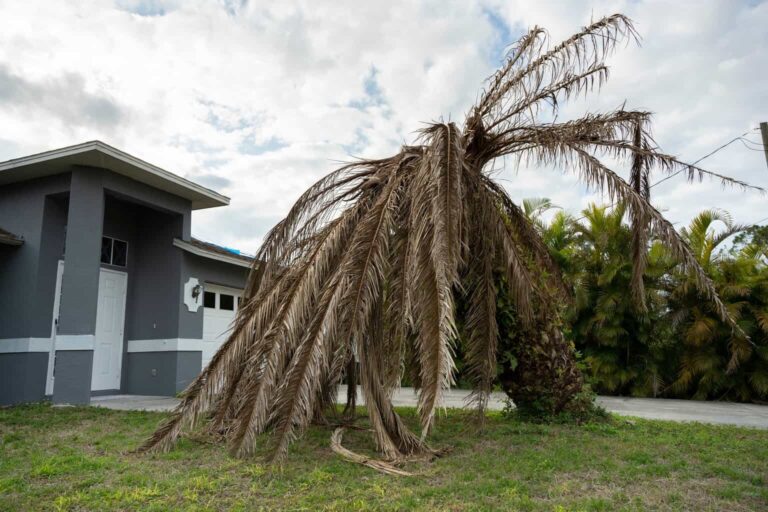
Removing a tree from your property in Melbourne is not always as simple as hiring someone with a chainsaw. Most Melbourne councils have rules about which trees you can and cannot remove. If you skip the permit process, you could face fines of $10,000 or more. Here is what you need to know before you cut anything down.
Why Do Councils Require Tree Removal Permits?
Melbourne councils protect trees for several reasons:
- Environmental value — Trees filter air, reduce urban heat, and support wildlife.
- Neighbourhood character — Established trees contribute to the look and feel of a suburb.
- Stormwater management — Tree roots absorb rainwater and reduce flooding.
- Heritage protection — Some trees have historical or cultural significance.
Council tree removal rules exist under local planning schemes and are enforced through planning overlays. The most common ones in Melbourne are the Vegetation Protection Overlay (VPO) and the Significant Landscape Overlay (SLO).
When Do You Need a Permit?
The short answer: it depends on your council and the tree.
Most Melbourne councils require a permit if:
- The tree trunk is above a certain diameter (often 100mm or more at chest height)
- The tree is listed as significant or protected under a local overlay
- The tree is a native species
- Your property falls within a special overlay zone (VPO, SLO, ESO)
Some councils measure the trunk circumference instead of diameter. Others set a minimum height, such as 5 metres. The rules vary from one municipality to the next.
Common Melbourne Council Rules
Here is a rough guide for some of the busier Melbourne councils. Always check directly with your council, as rules change.
- Brimbank City Council — Permit needed for trees with a trunk circumference over 350mm at 1 metre above ground. Native vegetation has stricter rules under state planning provisions.
- Melton City Council — Trees over 5 metres tall or with trunks over 150mm diameter generally need a permit if covered by an overlay.
- Hume City Council — Permit required for trees on lots covered by VPO or SLO. Exempt trees may include fruit trees and declared weeds.
- Wyndham City Council — Permit needed for native vegetation removal. Exotic trees may also need a permit if they fall under an overlay.
- Moonee Valley City Council — A permit is required if the tree has a trunk circumference of 500mm or more at 1 metre above ground, or is 5 metres or taller.
- Moreland (Merri-bek) City Council — Permit needed for trees above a certain size, especially in heritage or neighbourhood character zones.
If your suburb is not listed here, search your council’s name plus “tree removal permit” or call their planning department. Most councils publish their rules online.
When You Do NOT Need a Permit
There are common exemptions across most Melbourne councils:
- Dead trees — If the tree is clearly dead, most councils allow removal without a permit. Some may still want proof (such as an arborist report).
- Dangerous trees — If the tree poses an immediate risk to people or property, emergency removal is usually permitted. You should still notify the council as soon as possible.
- Small trees — Trees below the size threshold (for example, under 100mm trunk diameter) can usually be removed freely.
- Declared weeds — Species listed as noxious weeds by the state government, such as willows or some pines, are often exempt.
- Fruit trees — Most councils do not require permits for fruit trees or vegetables.
Even when you think you are exempt, it is worth making a quick phone call to your council before removing the tree. A five-minute call could save you thousands in fines.
What Does the Permit Process Look Like?
If you do need a permit, here is what to expect:
1. Apply to your local council — Most councils have an online application form. You will need your property address, the tree species (if you know it), its size, and your reason for removal. 2. Pay the application fee — Fees vary, but expect to pay between $100 and $500 depending on the council. 3. Council assessment — A council officer or arborist will inspect the tree. They may visit your property. 4. Decision — The council will either approve, approve with conditions (such as planting a replacement tree), or refuse. 5. Timeline — The process typically takes 4 to 8 weeks. Some councils are faster, others slower.
If the council approves your application with conditions, you may need to plant one or more replacement trees and provide evidence after planting.
What Happens If You Remove a Tree Without a Permit?
This is where it gets expensive. Fines for illegal tree removal in Melbourne can range from $2,000 to over $10,000 for individuals. For serious breaches involving significant trees, fines can be even higher.
Councils can also:
- Require you to plant replacement trees at your own cost
- Issue an enforcement order that restricts future development on your land
- Take legal action through VCAT (Victorian Civil and Administrative Tribunal)
It is not worth the risk. The permit process takes a few weeks. The consequences of skipping it can follow you for years.
How Precision Arbor Care Can Help
Navigating council tree removal requirements in Melbourne can be confusing. Rules differ between municipalities, and overlay maps are not always easy to read.
At Precision Arbor Care, we handle tree removal permits regularly across Greater Melbourne suburbs. We can:
- Check whether your tree needs a permit before any work begins
- Prepare supporting documentation, including arborist reports if required
- Liaise with your council on your behalf during the application process
- Complete the removal safely and legally once approval is granted
If a tree on your property needs to come down, the first step is a quick phone call.
Get a Free Assessment
Call Rob at Precision Arbor Care on 0413 606 544 to find out whether your tree needs a council permit and get a no-obligation quote for removal. We service all Greater Melbourne suburbs and can usually assess your tree within a few days.