Crown Thinning Melbourne: How to Lighten a Dense Tree Without Stripping It Bare
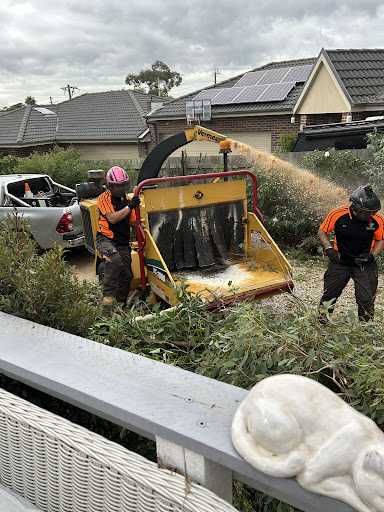
Our crown thinning Melbourne work sits within our tree pruning service. Crown thinning opens up a dense tree so light and air can move through it and the wind has less to push against. Rob looks at your tree on site and talks through whether a thin suits it, and how much is sensible. Precision Arbor Care climbs with spikeless gear, which protects the bark, and chips the wood on site. Call Rob today for a free quote.


Years of experience
Crown Thinning
Crown Thinning That Lightens a Tree, Not Strips It
“Take out enough to let the light through, and leave enough for the tree to live on.”
Precision Arbor Care brings over 25 years of family industry experience to Melbourne tree work, and thinning is where judgement counts most. It is easy to take too much, and it takes practice to know how much to leave. University extension guidance is to thin small branches on the outer crown and leave the inside of the tree alone. Rob looks at your tree with you on site and talks through what it needs. Call Rob now to plan a thin that suits your tree.


What It Involves
What Crown Thinning Melbourne Jobs Usually Involve
Thinning is a light, selective job. Depending on the tree, it usually comes down to some mix of these five things:

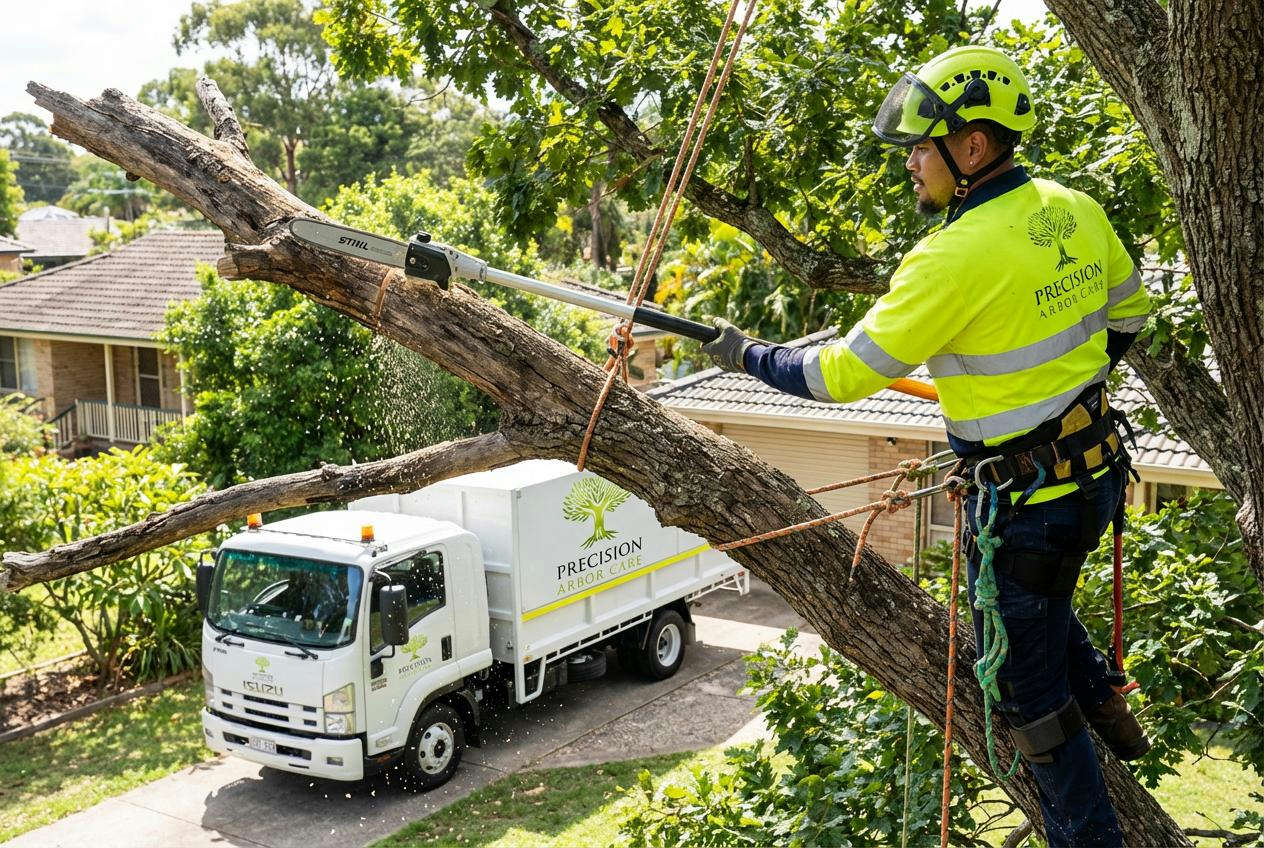
Rob looks at the tree on site, talks through how much thinning it can sensibly take and gives you a fixed price before work starts.
How We Work
How Our Crown Thinning Melbourne Crew Works Through a Crown
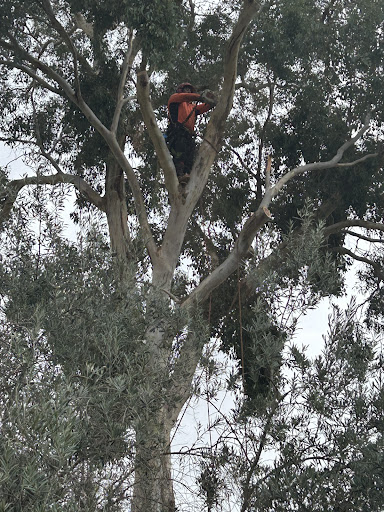
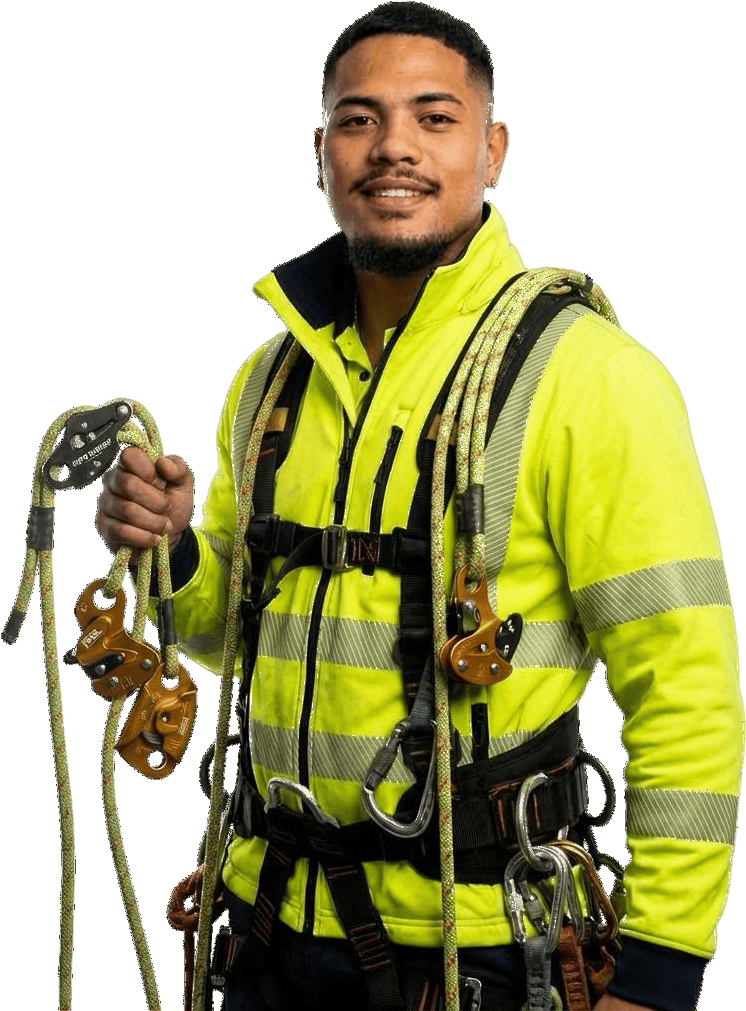
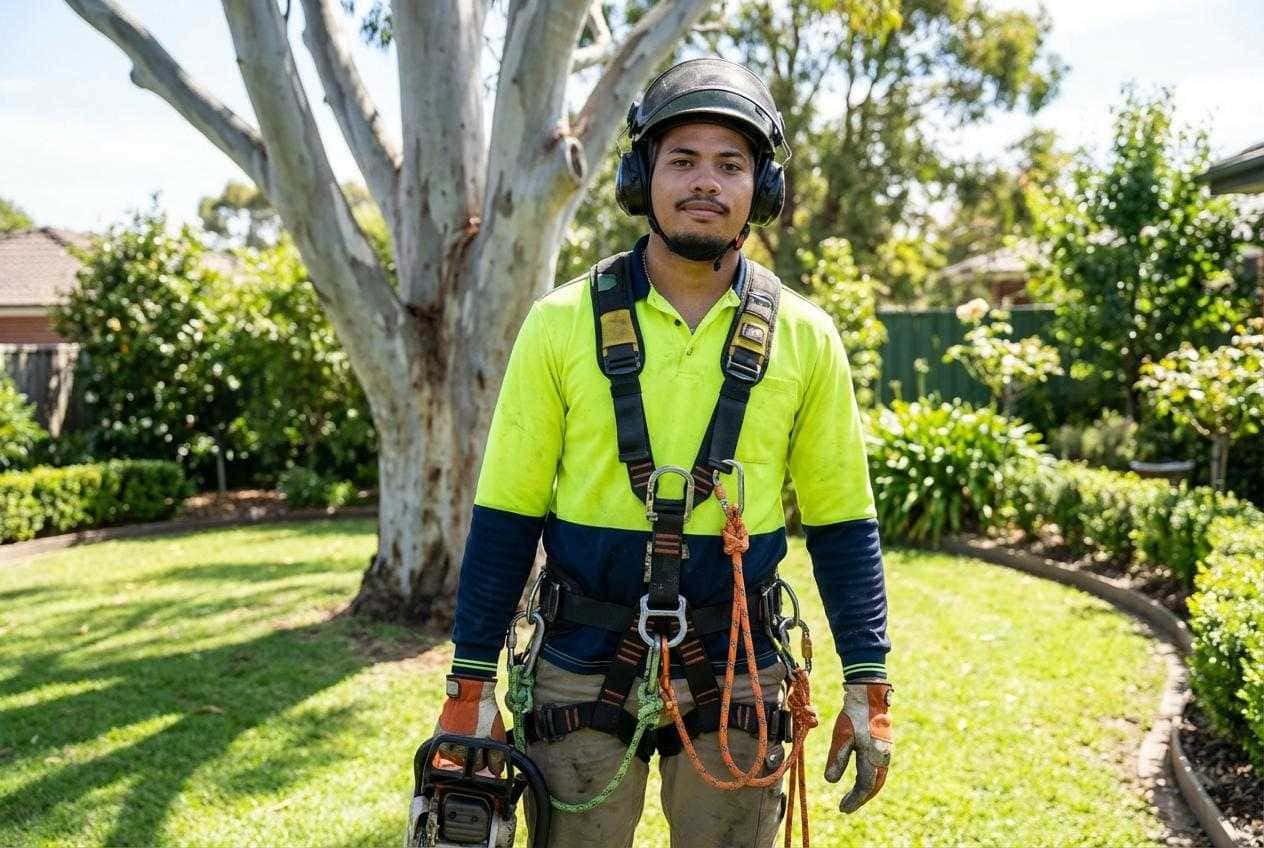
Every thin starts with Rob looking at the whole crown with you: where it is dense, where branches cross, what hangs over the roof or the fence and how the tree carries its weight. Then we climb with spikeless gear, which protects the bark, and use ropes and pulleys to bring cut wood down under control. Cuts are made at the branch collar. Rob talks through the access and what sits underneath before work starts, so you know how the job will run on a big shade tree, a crowded garden tree or a canopy that hangs over the house.
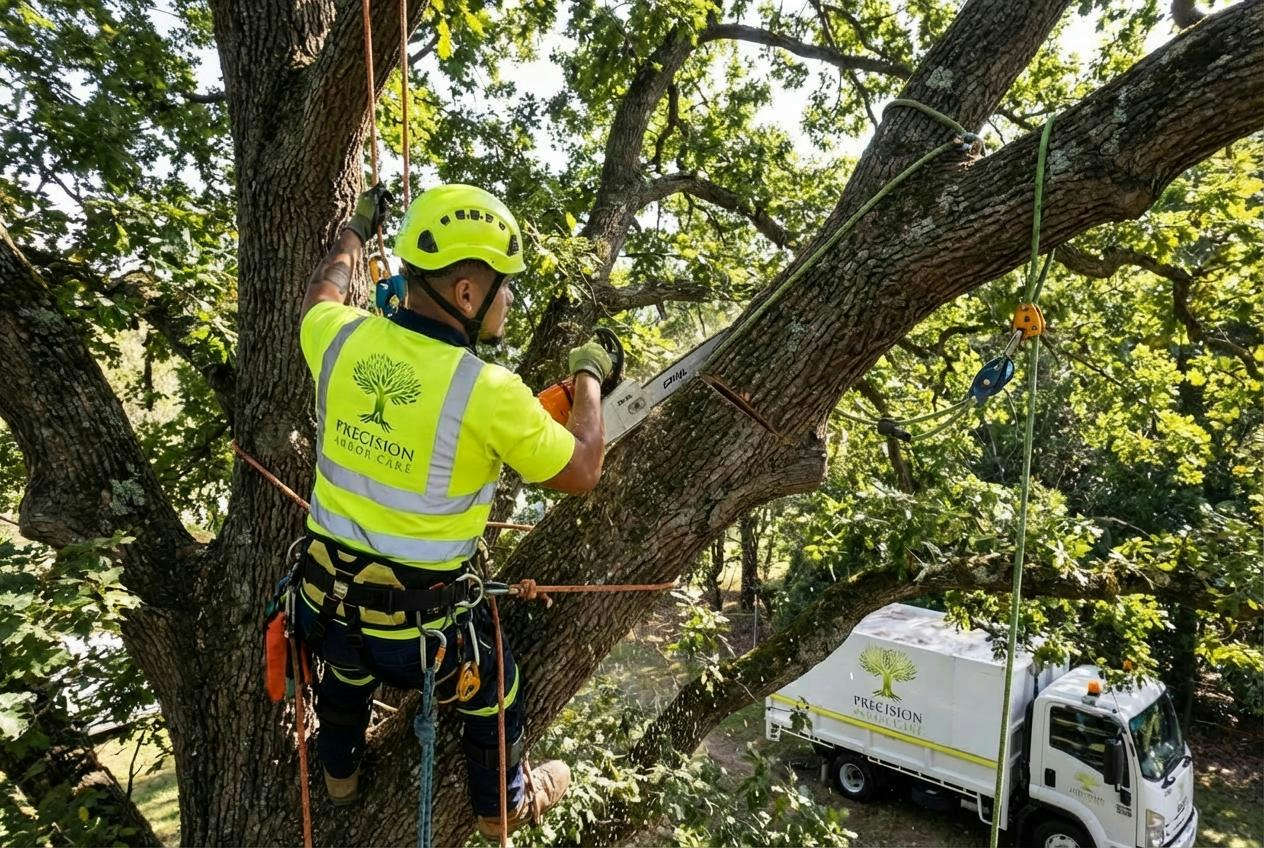
The skill in crown thinning Melbourne wide is knowing when to stop. Tree-care guidance is to remove the least amount of foliage that meets the goal, so the aim is a crown that looks natural, only lighter. If a tree needs more than a light thin, or needs nothing at all, Rob talks it through with you on site. There is no pushy sales talk either way.

Your Quote
What Your Crown Thinning Quote Depends On
No two crown thinning Melbourne jobs are the same, so there is no set price. Thinning is slow, careful work, so the quote follows the time the tree needs, not just its size. It depends on how big the tree is, how dense the crown is, how much thinning the tree can sensibly take, how we get in and out (a narrow side gate takes more time than an open lawn) and what you want done with the wood: chipped and taken away, or mulch left for your beds. Rob gives you a fixed price after seeing the tree, so the number does not change once we start.
our social media

Satisfied Customers
Across Greater Melbourne
Crown Thinning Melbourne Wide, Canopy by Canopy
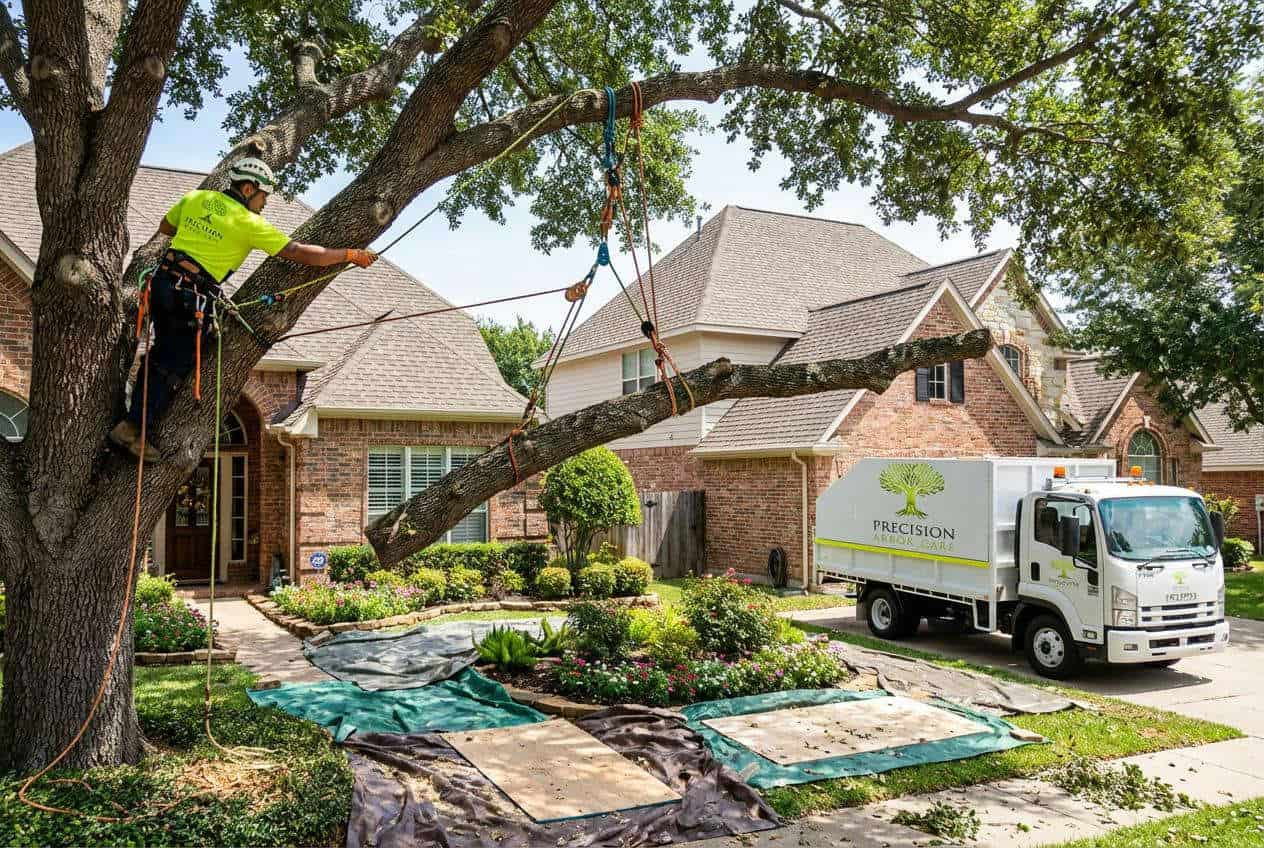
Dense crowns turn up in every part of the city, so we work right across Greater Melbourne. In the bayside and inner south that includes Elsternwick, Caulfield and Ormond, and in the north we work in Reservoir, Bundoora and Mill Park. Out in the outer east we work in Lilydale, Mooroolbark and Wantirna, and in the north-west in Niddrie, Strathmore and Pascoe Vale. In the south we work in Highett and Dingley Village. See every suburb we cover on our service areas page.
testimonials
What Clients Say After We Lighten Their Trees
Real Google reviews from Melbourne homeowners whose trees Rob and the team looked after, with the health of the tree in mind.
Why Melbourne Homeowners Ask for Crown Thinning
Most people who search for crown thinning Melbourne wide have a tree that is simply too thick. The crown is dense and dark, the lawn underneath is always in shade, and every storm has them looking up at the weight in the branches. They do not want the tree cut down, and they do not want it cut back hard. They want it opened up so light and air can get through, and they want it to look like the same tree afterwards.
Crown thinning is the selective removal of branches to reduce the density of a crown. In a well-done thin, some small branches come out, mostly from the edge of the canopy, so more light and air move through and less weight and wind load sit on the limbs. The tree keeps its height, its spread and its natural shape. It is light work done with many small, careful cuts, and it sits within our tree pruning service. The Australian pruning standard, AS 4373, lists crown thinning as one of the types of pruning it covers.
It helps to know what crown thinning Melbourne wide is not. It is not a haircut, where the ends of every branch are snipped to make a neat outline, because the tree answers that with a thick burst of fast, weak shoots. It is not topping, where main limbs are chopped back to stubs, and AS 4373 rules topping out. And it is not stripping the middle of the tree bare. Our guide on tree lopping vs pruning shows what the wrong cuts do.
That last mistake has a name in the trade: lion-tailing. It is what you get when too many inner branches come out and only a tuft of leaves is left at the end of each bare limb. Colorado State University’s extension guide on pruning mature shade trees explains why that hurts. Taking out the small twigs inside the crown lowers the tree’s vigour, reduces the taper of its limbs and raises the risk of wind damage, because the tree can no longer dampen the wind.
How much is too much? The same guide says that, from a plant-health view, a maximum of 10% of a mature tree’s foliage should come off in one pruning round, that a larger dose is acceptable when the tree is healthy and the job needs it, and that heavy work should be spread over a period of years. Rob looks at your tree with you on site and talks through how much of it can sensibly come out.
“Rob took the time to advise on the best approach, not just for me but for the health of the tree. He really takes pride in his work and it shows.”
Scooby · ★★★★★ verified Google review
Four Reasons Melbourne Homeowners Ask About Thinning a Crown
Crown thinning Melbourne enquiries usually start with one of four reasons. Each reason changes how much comes out and from where, so it helps to know which one is yours:
Shade under the tree
A dense crown can leave the lawn, beds and paving underneath in deep shade. A thin lets more light through. It will not turn a shaded lawn into a sunny one, and Rob talks through what to expect when he visits.
Wind and storm load
Heavy, crowded limbs catch the wind. Taking small branches from the outer crown lets the wind pass through and cuts the weight on the limbs. On a very tall tree a reduction can work better than a thin, and Rob talks through the options on site.
A known weak spot
A long, heavy limb or a weak fork can carry less weight after a careful thin. A thin does not repair a cracked or decayed limb, though, and a limb like that needs a different plan. Rob looks at it with you on site.
An opened-up view
Sometimes the aim is a glimpse of the sky, the street or the garden through a canopy that has become a wall of leaves. A thin can open a view without changing the shape of the tree.
Whichever reason brings you to us, Rob looks at the tree with you on site and talks through what it needs. Guidance is to take the smallest amount of thinning that does the job, work on small branches and stop when the tree looks natural again. Sometimes that means a second light visit later instead of one heavy cut, and sometimes a tree needs no crown thinning Melbourne wide at all.
Questions to ask any crown thinning Melbourne company before they climb
- Why does this tree need thinning, and what will it do for the tree?
- How much of the crown is coming out, and from where?
- Will you thin small outer branches, or strip out the middle?
- Will you cut at the branch collar, or leave stubs?
- Will you climb with spikes on a tree I’m keeping? (Spikes wound the bark. We climb spikeless.)
- Does my council need to hear about this before the work starts?
- Is the price fixed before the work starts?
How Our Crown Thinning Melbourne Visit Runs
“Rob and the team do outstanding work.”
Paul · ★★★★★ verified Google review
What you should know
Some Melbourne councils protect trees above a certain size, and some of them limit how much of a protected tree’s canopy can be pruned without a permit. The limit differs from one council to the next, so how much a thin takes off can matter as well as how it is done. Check with your council before any work starts, and Rob can talk through what to look for when he visits. Our tree removal permit guide explains how the process works.
Related service
Got a pile of green waste?
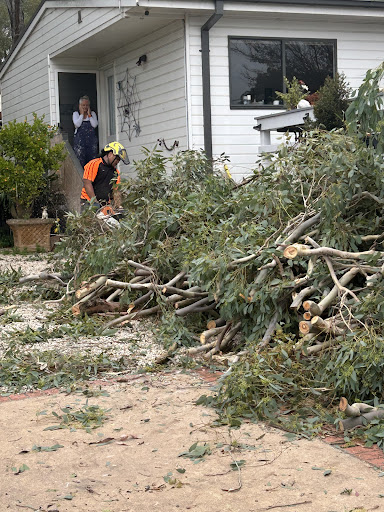
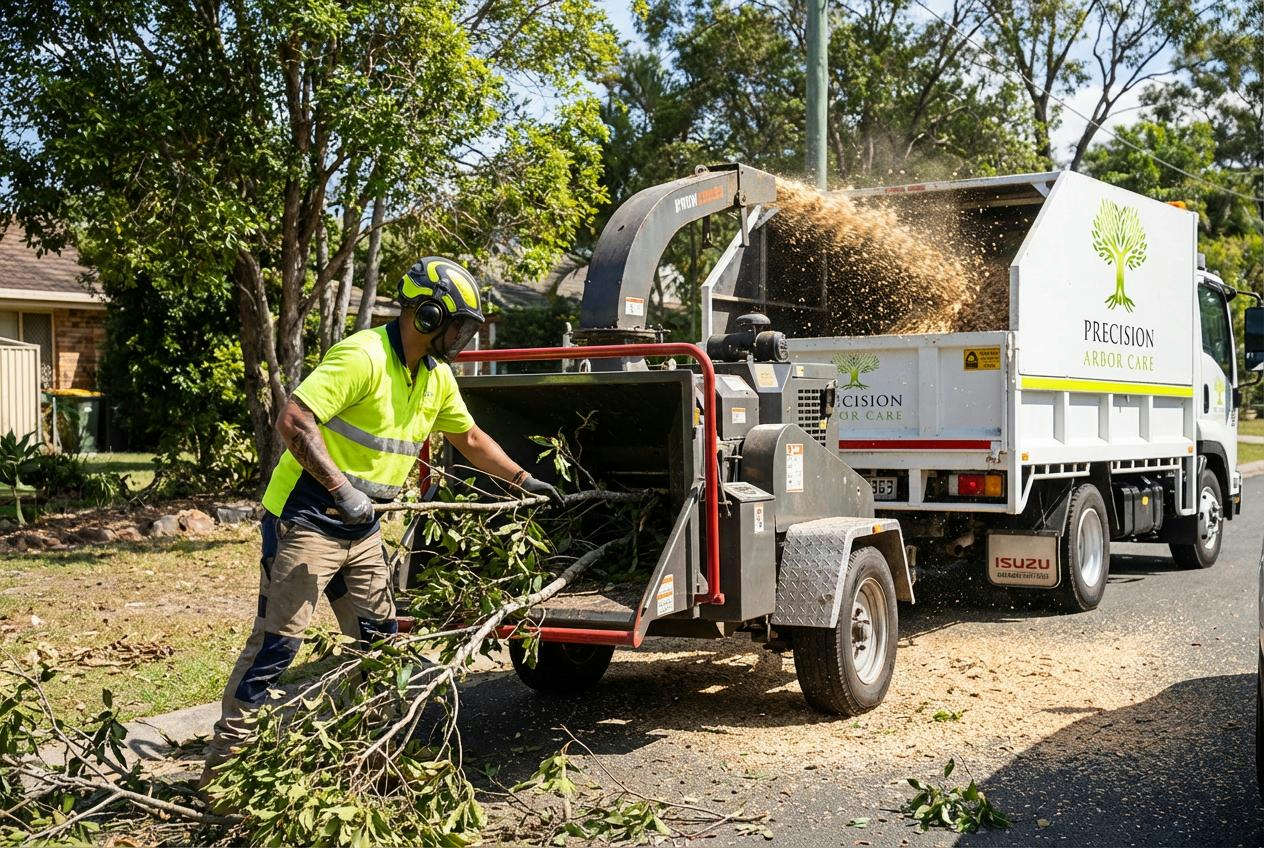
Branches from your job are chipped on site, and clean-up is included. Green waste removal is also a service in its own right if you have a bigger pile to clear.
See green waste removal →Crown Thinning Melbourne FAQs
What is crown thinning?
Crown thinning is the selective removal of branches to reduce the density of a tree’s crown. A well-done thin takes out some small branches, mainly from the outer canopy, so more light and air move through and less weight and wind load sit on the limbs. The tree keeps its size and shape. It is done with many small cuts, not by stripping the middle of the tree, and it sits within our tree pruning service.
How much can you thin a tree?
Less than most people expect. The Colorado State University guide linked above sets a low ceiling for a mature tree in one pruning round, and it says heavier work should be spread over a period of years. Rob looks at the tree with you on site and talks through how much it can sensibly lose and whether a second visit makes sense.
What is the difference between crown thinning and crown reduction?
Thinning reduces the density of the crown and keeps its size. Reduction reduces the size of the crown, taking real height or spread off a tree that has outgrown its space, with bigger cuts and more planning. Trees that feel too heavy often only need a thin. Rob talks through which one your tree needs when he visits.
Is crown thinning the same as topping?
No. Topping chops main limbs back to stubs, and the tree answers with a mass of fast, weak shoots. Crown thinning removes selected small branches and keeps the tree’s shape. The Australian pruning standard, AS 4373, rules topping out. Our guide to tree pruning mistakes shows what topping and other bad cuts do.
What is lion-tailing and why is it bad?
Lion-tailing means stripping the inner branches out of a crown so only a tuft of leaves is left at the end of each bare limb. It lowers the tree’s vigour, weakens its limbs and raises the risk of wind damage, because the tree can no longer dampen the wind. It is over-thinning, and tree-care guidance says to avoid it.
Will my tree grow back after thinning?
Yes, and that is normal. The benefits of thinning are short-lived, because the tree keeps growing and replaces the branches that were removed. That makes thinning a maintenance job, not a one-off fix. Rob talks through a sensible rhythm for your tree on site, based on how fast it grows.
Will thinning make my tree safer in a storm?
It can help. Removing small branches lets wind pass through the crown and cuts the weight on the limbs. On a very tall tree, though, thinning may do little for wind, and a reduction works better. Rob looks at the tree with you on site and talks through which one suits it, and what a thin can and cannot do.
Will thinning let more light into my garden?
Yes, more light gets through a thinned crown, which helps shade-loving plants, paving and the ground underneath. It will not turn a deeply shaded lawn into a sunny one, because a mature tree still casts shade. Rob talks through what to expect when he visits, so the result matches what you had in mind.
Does every tree need crown thinning?
No. Thinning is not a routine job. Tree-care guidance is that every cut should have a reason, and a healthy tree with an open crown may not need one. Rob looks at your tree with you on site and talks through whether a thin would actually help it.
Do I need a permit to thin a tree in Melbourne?
Sometimes. Some Melbourne councils protect trees above a certain size, and some limit how much of a protected tree’s canopy can be pruned without a permit. The rules differ from council to council, and planning overlays can add more. Check with your council before any work starts. Our guide on permits to remove a tree in Melbourne explains the basics.
When is the best time to thin a tree?
Dead and dangerous branches can come off at any time of year. For a live thin, the usual advice is to prune before the spring growth flush, which in Melbourne means late winter, and to avoid heavy cuts just after it, when a tree has spent a lot of energy on new leaves. Our guide to the best time to prune trees in Melbourne goes species by species.
What affects the price of crown thinning?
A crown thinning Melbourne quote is priced per job, because the time depends on the tree. The quote reflects how big the tree is, how dense the crown is, how much thinning it can sensibly take, how we get in and out, and what happens to the wood. Rob looks at the tree and gives you a fixed price for free. Our tree pruning cost guide explains the cost drivers in more detail.
How long does crown thinning take?
Most crown thinning Melbourne jobs are finished in a single day, clean-up included, with payment on completion. A big, dense crown or tight access can take longer, and Rob talks through the timing when he quotes. For larger multi-day jobs, talk to Rob about payment timing when you book.
More on tree pruning
Ready when you are
Book Your Free Crown Thinning Melbourne Quote With Rob
Get in touch and Rob calls you back personally, usually the same day. Tell him what the tree is doing to your yard: too much shade, too much weight or too much wind pushing on it. Then Rob comes out to look at the whole crown with you and gives you a fixed quote, with the clean-up included.
No pushy sales, and the price is fixed before work starts. You get a clear plan for how much comes off. If a few trees need a look, mention them all when you call so Rob can see them on the same visit.
Servicing Melbourne metropolitan and outer suburbs. Email: [email protected]