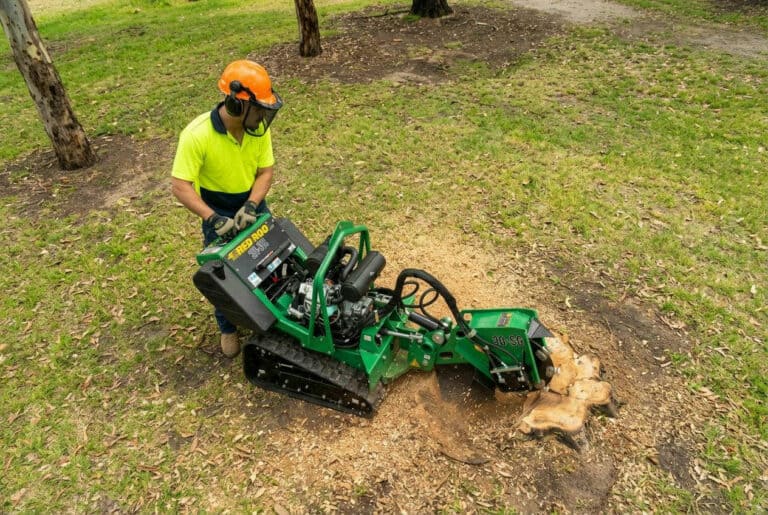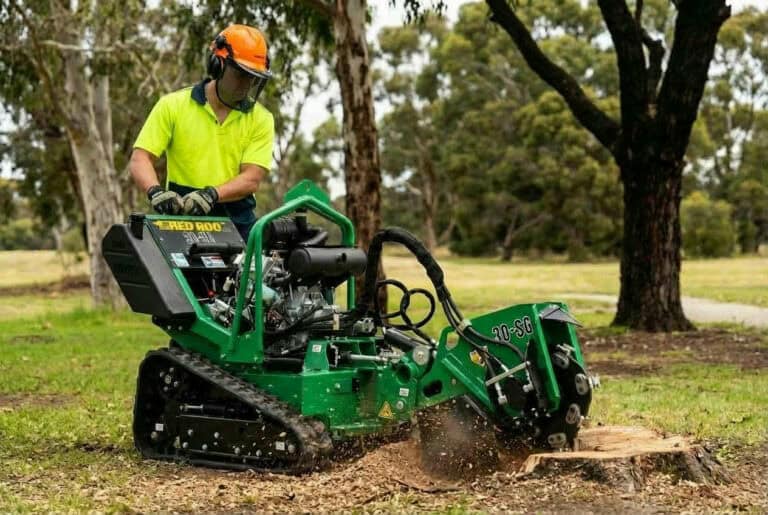
Why you shouldn’t leave a tree stump in the ground comes down to five things: it is a hazard at foot height, it can host termites and fungi, it can grow back, it gets in the way of your plans, and it takes a very long time to rot on its own. None of these is a disaster by itself. But a stump left alone stays a problem for years, and it is much easier to deal with when the tree has only just come down.
This guide takes the five reasons why you shouldn’t leave a tree stump one at a time and checks each one against university, government and council sources, listed at the bottom of the page. It also covers the honest exceptions. Some stumps can stay, and a few are worth keeping.
Related reading
- Our stump grinding and removal service: how we take stumps out below ground level.
- Stump grinding vs stump removal: which method suits your yard.
- What to do after tree removal: the next steps once the tree is down.
- Tree root damage prevention: how roots affect pipes and foundations.
Why You Shouldn’t Leave a Tree Stump in the Ground
A stump looks harmless once the tree has gone. But it is still wood, it still has roots underneath, and it stays that way for a long time. Iowa State University Extension says stumps can quickly become a nuisance in the yard and, beyond being an eyesore, can get in the way of landscaping[1]. The sections below go through the five reasons in turn, starting with the one you notice first.

Trip and Mower Hazards Around a Stump
A stump sits at foot height. It is hard, it does not move, and in summer it can vanish into long grass. The Texas A&M extension safety program tells homeowners to walk the yard before mowing and to locate tree stumps, exposed roots and sprinkler heads[5]. A stump on that list is one you steer around every time you mow.
Children, pets and visitors have no such checklist. Iowa State suggests leaving a stump only where it is isolated or where there is little risk of damage to property or people[1]. A stump beside a path, a gate, a clothesline or a play area fails that test. The risk also grows as the wood rots and softens, and Iowa State says a decaying stump should be checked regularly and removed if it could fall[1]. That is the first reason why you shouldn’t leave a tree stump in a yard people use.
Why you shouldn’t leave a tree stump beside a path: a quick check
- Does it sit beside a path, gate, clothesline, seat or play area?
- Does it vanish into long grass in summer?
- Do children, pets or older visitors use that part of the yard?
- Is the wood soft, cracked or starting to lean?
“They cut down and completely removed a large, diseased Liquidambar Tree and completed stump grinding.”
Harry · ★★★★★ verified Google review
Why You Shouldn’t Leave a Tree Stump Near the House: Termites
Wood on the ground is food for wood-eating insects, and a stump is a big piece of it. CSIRO lists stumps among the places where subterranean termites nest, along with trees, logs and roots[2]. For Victoria, the Department of Health says Coptotermes, the group behind more than 80 per cent of termite damage to buildings in the state, nest in trees (preferring eucalypts) and stumps, and travel at least 50 metres through underground tunnels to find food[3].
This is not a reason to panic. CSIRO says there are more than 350 termite species in Australia and only about 20 cause significant damage to buildings[2]. It also says that finding termites in the garden does not necessarily mean they will enter the house, and it rates some areas around Melbourne as low risk[2]. A stump does not mean you have termites. It is one more large piece of wood they can use, so it is worth a check if the stump is close to the house. CSIRO lists shelter tubes, the mud-like tunnels termites build, as a sign to search for[2].
Fungi on Old Stumps
Fungi are the reason a stump rots at all. Iowa State says how fast a stump breaks down depends on soil moisture, the amount of wood-decay fungi and the tree species[1].
One fungus is worth knowing about. Armillaria is a native root rot found widely in Australian forests and woodlands. Business Queensland says it infects more than 200 plant species and can survive in the soil for many years on live and decaying stumps and roots[4]. Honey-coloured mushrooms can appear at the base of an affected tree in wet, cold weather[4]. Most stumps will never carry it, but if you plan to replant close by, Business Queensland’s advice for orchards is to remove as many roots and stumps as possible first[4]. Pests and fungi are the second reason why you shouldn’t leave a tree stump beside the house or a new planting.

Regrowth and Suckers: A Stump That Will Not Stay Dead
Some stumps keep growing. Iowa State says some stumps will resprout after the tree is cut down[1]. University of Illinois Extension adds that if the tree was not completely dead when it was cut, the stump may produce sucker growth[6].
Suckers are hard to shift. The Illinois advice is to cut them off before they reach eight inches (about 20 cm) so the stump slowly runs out of stored food, but it warns this can take five to ten years to work fully[6]. Iowa State warns that herbicide poured on a stump long after the tree came down just leaches into the soil and can damage nearby plants[1]. Regrowth is the third reason why you shouldn’t leave a tree stump to chance.
How a Stump Gets in the Way of Building and Landscaping
If you plan to build, pave or plant, the stump is a problem you must solve first. CSIRO’s advice for anyone building is direct: remove tree stumps and large roots from the ground the house will be built on[2]. The same thinking suits a shed, a slab or a path, because Penn State Extension warns that buried stumps and other organic debris can decay and leave a hollow under a thin layer of soil and vegetation[8].
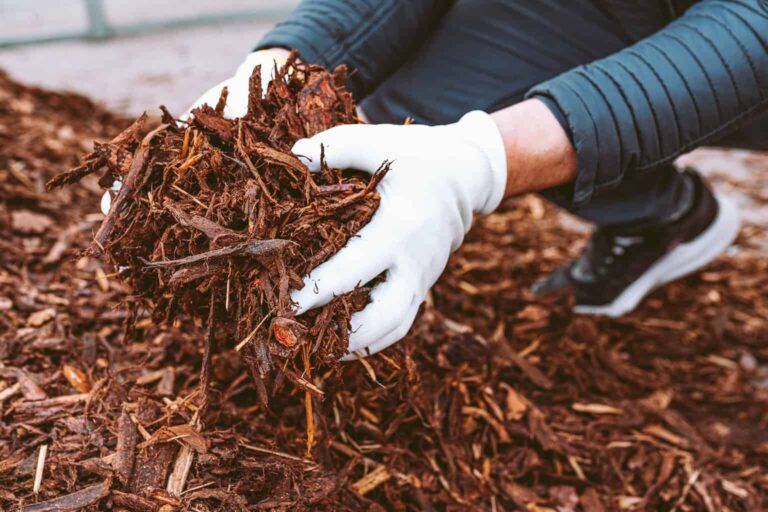
A lawn or garden bed has its own catch. Iowa State says the shavings left after grinding can change the soil and make it hard for new turf or plants to grow, so ideally they are removed before new topsoil goes in[1]. Our guide to what to do with the mulch after stump grinding covers the options. Your plans for the space are the fourth reason why you shouldn’t leave a tree stump where it is.
Why Waiting for a Stump to Rot Is a Long Game
Why not just let it rot? It will, in the end. Iowa State calls natural decay a cheap, easy and safe option that requires patience, and says the process can take 10 years or more[1]. It is the fifth reason why you shouldn’t leave a tree stump to sort itself out.
| Reason | What the sources say |
|---|---|
| Trip and mower hazard | Tree stumps are on the list of things to locate before mowing[5] |
| Termites and fungi | Coptotermes nest in stumps[3], and Armillaria can survive on decaying stumps and roots for many years[4] |
| Regrowth | Some stumps resprout, and suckers can take years to use up[1][6] |
| Building and landscaping | Remove stumps and large roots from ground you will build on[2] |
| Slow rot | Natural decay can take 10 years or more[1] |
Wondering if the reasons why you shouldn’t leave a tree stump apply to yours? Call Rob and describe where it sits.
Why You Shouldn’t Leave a Tree Stump, and When You Can
Here is the honest side: leaving a stump is sometimes the right call. Iowa State says dead stumps are important sources of food and shelter for many insects, birds and other wildlife, and suggests leaving them where they are isolated or where there is little risk to people or property[1]. Insect larvae in the decaying wood feed birds and other animals, and the hollow centres that form become shelter for other wildlife[1].
In Melbourne, Wyndham City Council’s habitat guide says dead trees and shrubs can provide habitat for many native animals, and that a few logs and sticks on the ground can shelter local insects and lizards[7]. University of Illinois Extension says a decaying stump can be worked into the landscaping, for example with containers on top, and that leaving it can be a good option[6].
- Leaving a stump beside a path, gate, clothesline or play area
- Leaving a rotting stump that could collapse or fall on someone[1]
- Leaving a stump in the way of building, paving or new planting[2]
- Leaving a stump that keeps sending up suckers[6]
- Leaving an old stump near the house and never checking it for termites[3]
Your Options if the Stump Has to Go
Once you know why you shouldn’t leave a tree stump in your yard, there are three main routes to get rid of it. Digging by hand is quick but very labour-intensive, and Iowa State says it suits smaller stumps only[1]. Waiting for it to rot takes years. Grinding is the third, and Iowa State calls it the quickest, easiest and safest, with a grinder chewing away the stump and large lateral roots, typically down 8 to 12 inches (about 20 to 30 cm)[1]. Our guide to stump grinding vs stump removal compares grinding with full removal.
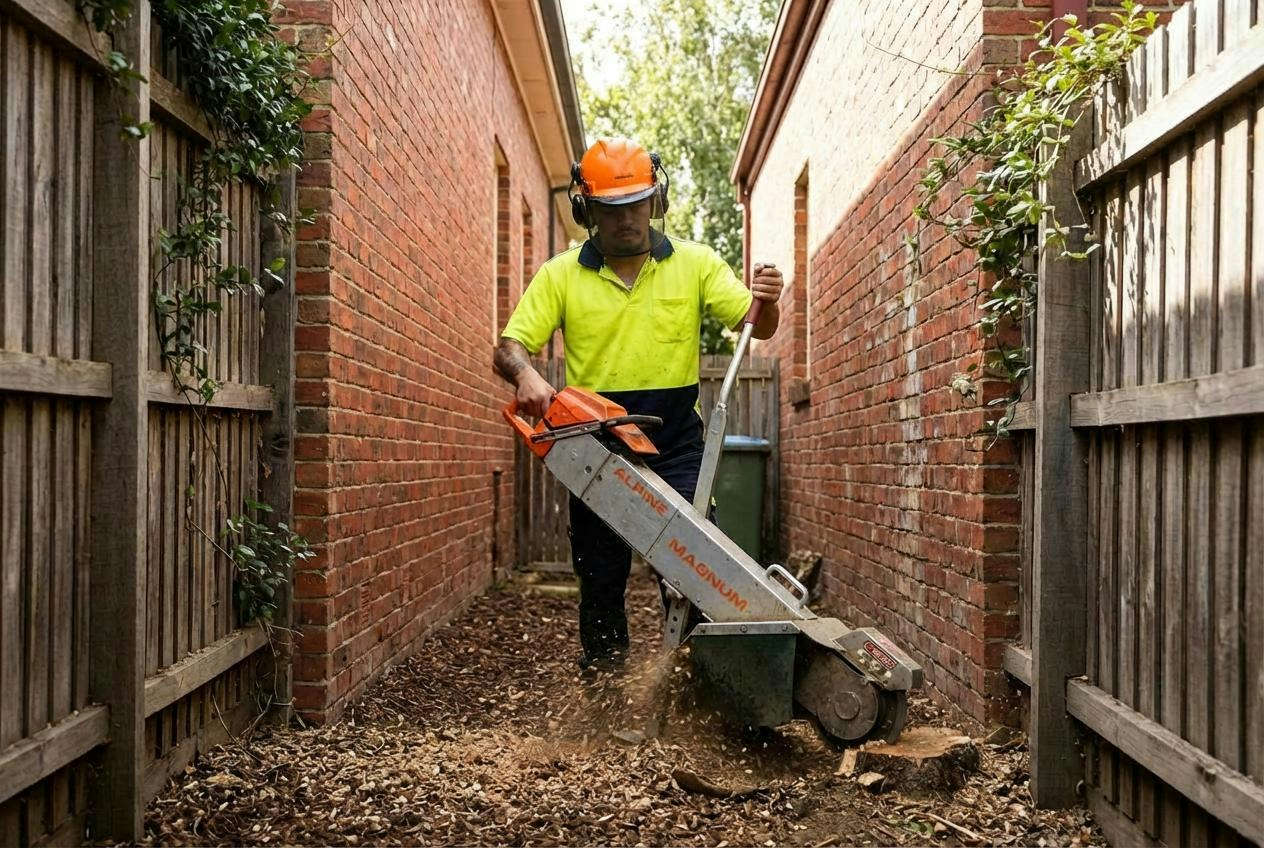
At Precision Arbor Care, our stump grinding and removal service runs a powerful grinder that works below ground level and reaches narrow side gates, so a stump behind the house is still within reach. The chips are yours as mulch, or we cart them away. The quote is free, done on site, and the price is fixed before work begins.
“Rob was friendly and professional in his communication and work ethic.”
Libby · ★★★★★ verified Google review
Related service
Stump Grinding & Removal in Melbourne
Stump grinding below ground level, including stumps behind narrow side gates. Clean-up is part of the job.
Keep reading
More stump guides
How You Get Your Yard Back From a Stump
Knowing why you shouldn’t leave a tree stump is the easy part. Deciding what to do about your own is harder, because a stump by the back fence is not the same as one beside the clothesline. At Precision Arbor Care, the first step is a look at where yours sits and what you want the space to do.
There is no pushy selling here. You set the pace, and the conversation stays on your stump and your yard, not on the biggest job that could be quoted.
When a stump does need to go, we grind it out below ground level.
That leaves you with a yard you can mow, plant and build on, where the reasons why you shouldn’t leave a tree stump no longer apply.
Why You Shouldn’t Leave a Tree Stump: Your Questions Answered
Is it bad to leave a tree stump in the ground?
Do tree stumps attract termites?
Will a tree stump grow back?
How long does a tree stump take to rot?
When is it fine to leave a tree stump?
Do I need to remove a stump before building or paving?
What are the options for getting rid of a tree stump?
How We Work With You
Our process is straightforward and designed around your needs.
Speak with us today
Get a free quote and take the stump out below ground level
Ring Rob and he will call you back himself, normally that same day. The clean-up is part of the job, payment is due when it is done, and most jobs are wrapped up in a day.

Written by
Rob Tufuga
Founder & Lead Arborist, Precision Arbor Care
Rob has been climbing, cutting and shaping trees across Melbourne for more than 15 years. He started Precision Arbor Care to do tree work the way he always wished he could when he worked for bigger crews: one job at a time, no upselling, and an honest number on the quote.
Sources
- Iowa State University Extension: How to Remove Tree Stumps
- CSIRO: Managing Termites, Building Technology Resource
- Victorian Department of Health: Pest control, termites
- Business Queensland: Armillaria root rot
- Texas A&M AgriLife Extension Safety Program: Lawn Maintenance Safety
- University of Illinois Extension: Removing Tree Stumps
- Wyndham City Council: Habitat Heroes, attracting native wildlife into your garden
- Penn State Extension: Sinkholes and Underground Cavities Due to Human Activity
Information in the arboriculture industry changes frequently, and linked content may change or become outdated. Every tree and property is different, and council rules vary. Please contact us for advice and a free quote suited to your exact job.